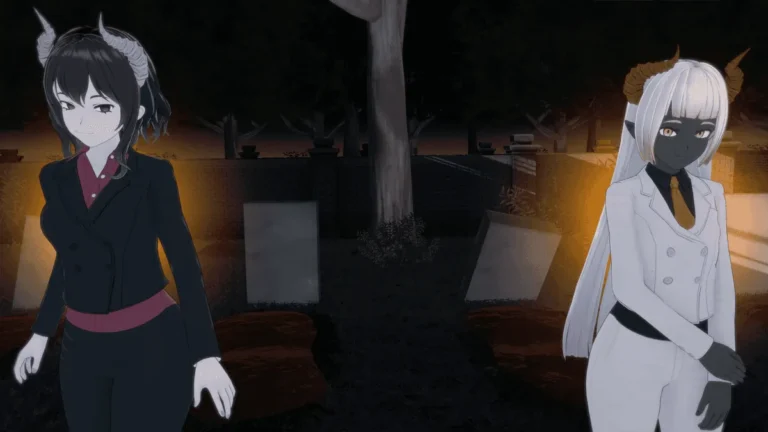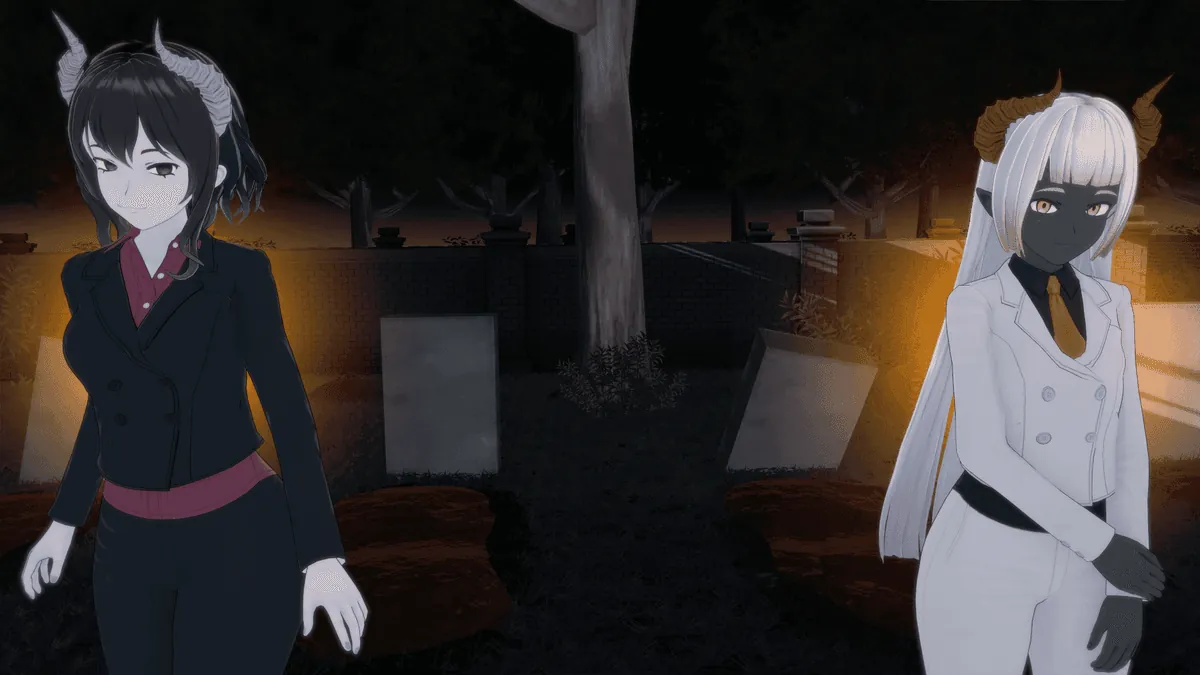
Demons of the Hearth
Play Demons of the Hearth
Demons of the Hearth Screenshots



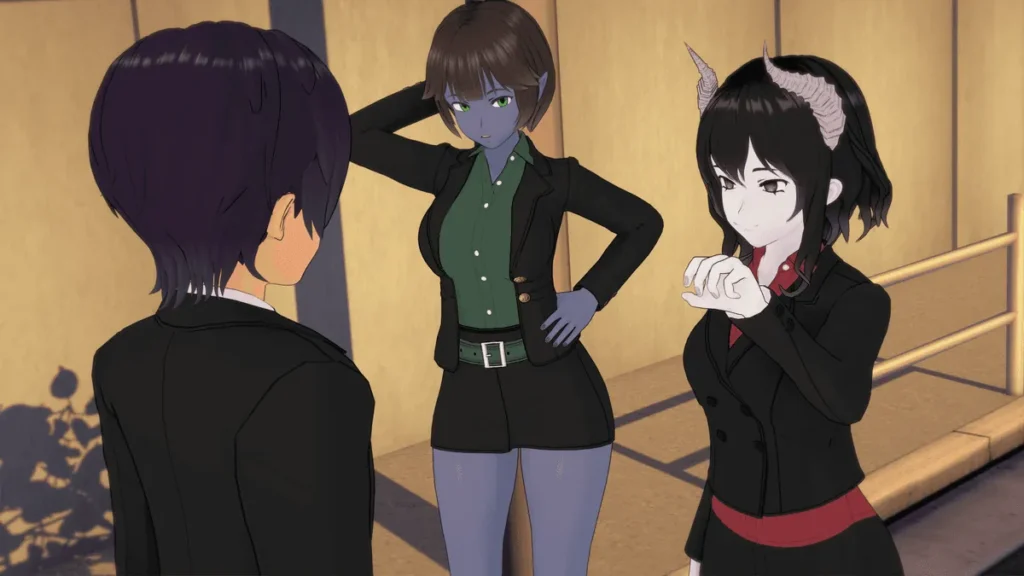
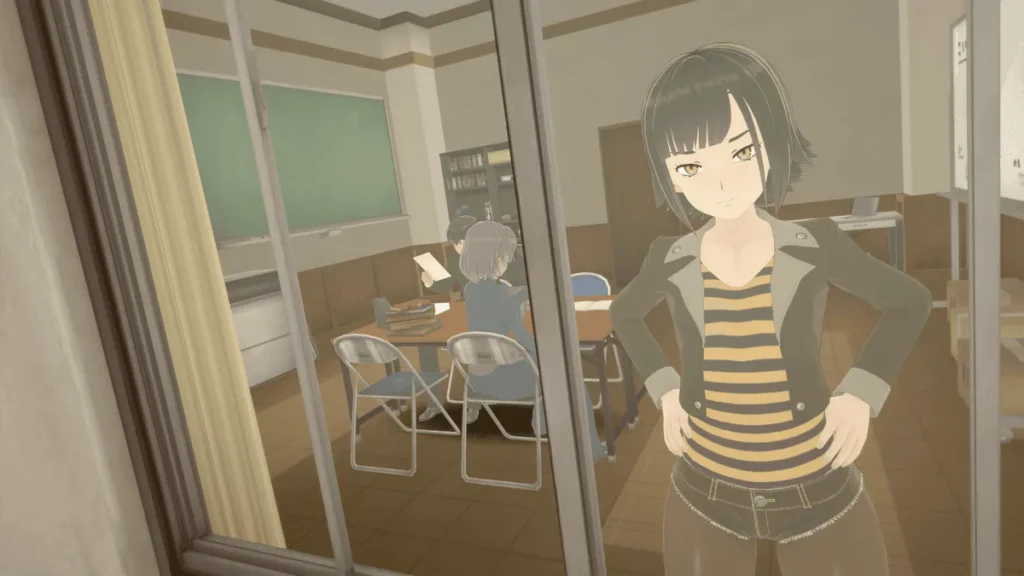





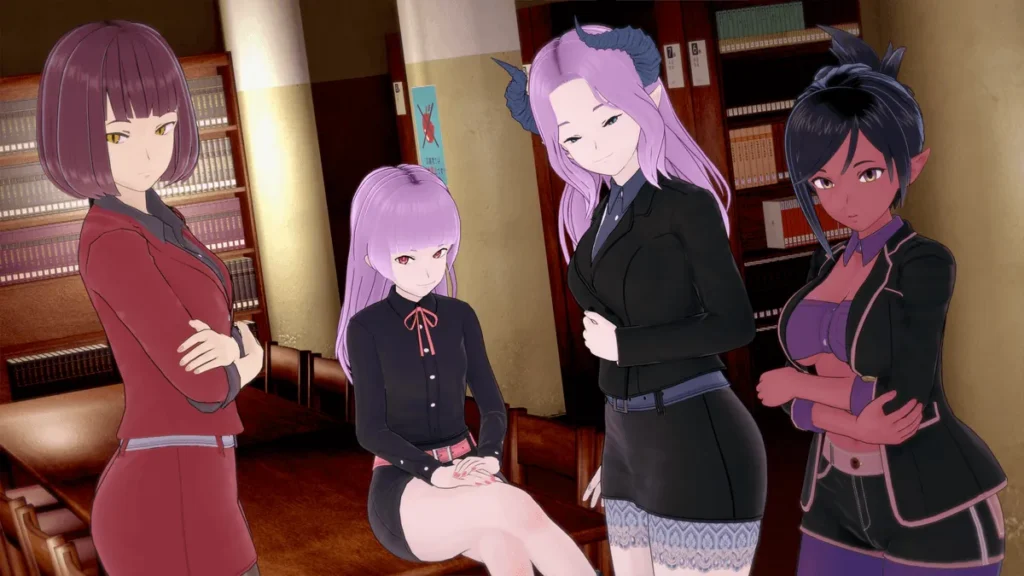
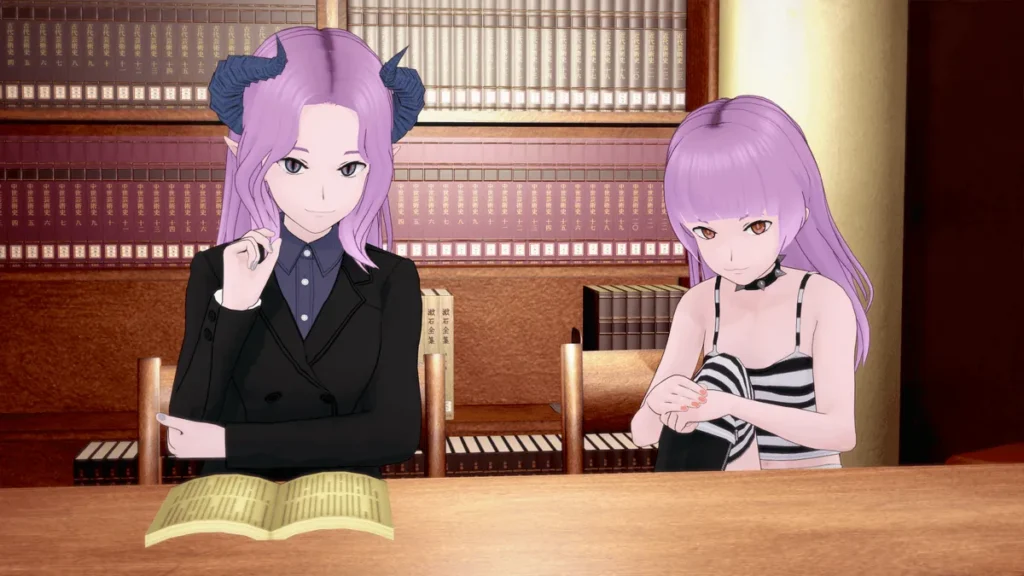
Demons of the Hearth review
Explore the narrative depth, character development, and interactive mechanics of this acclaimed visual novel
Demons of the Hearth stands out as a captivating interactive experience that seamlessly blends rich storytelling with immersive character development. This visual novel has garnered significant attention for its narrative depth and the way it handles character relationships through a unique trust-based system. Whether you’re curious about the plot, the diverse cast of characters, or how the interactive mechanics work, this guide provides everything you need to understand what makes this game special. From its compelling story to its non-linear character growth, Demons of the Hearth offers a memorable experience that keeps players engaged and emotionally invested throughout their playthrough.
Understanding the Story and World of Demons of the Hearth
So, you’ve downloaded Demons of the Hearth, heard the whispers about its incredible story, and now you’re staring at the title screen, wondering what you’re in for. 🕯️ Let me tell you, you’re about to embark on one of the most absorbing journeys the visual novel format has to offer. This isn’t just a passive read; it’s an experience that gets under your skin, one careful choice at a time.
I remember my first playthrough. I was expecting a simple, spooky tale, but what I got was a masterclass in character-driven narrative that left me thinking about its world for days after the credits rolled. If you’re curious about the heart of this acclaimed experience, you’re in the right place. Let’s pull back the curtain on the story, the world, and the mechanics that make this interactive storytelling game so unforgettable.
What is the Core Narrative? 🧩
At its core, the Demons of the Hearth story is a profound exploration of legacy, guilt, and the ghosts—both literal and figurative—that haunt a family. You step into the worn shoes of Alex, a young adult summoned back to their crumbling ancestral manor after the death of a relative they barely knew. 🏚️ The premise seems familiar, but the execution is anything but.
This isn’t just about solving a supernatural mystery; it’s about solving yourself. The plot masterfully intertwines your personal journey of reconciliation with a larger, creeping dread that permeates the estate and the strange town bordering it. A local serial killer subplot isn’t just background noise; it’s a chilling thread that weaves itself into the fabric of Alex’s homecoming, making you question every shadow and every seemingly friendly face. The genius of this visual novel narrative is how it makes the internal external. Your struggle to manage Alex’s stress, curiosity, and relationships directly influences which demons—of the mind and the manor—you ultimately confront.
The emotional hook is immediate and powerful. You’re not just guiding a protagonist; you are the protagonist, navigating a minefield of buried memories and painful truths. This deep emotional investment in characters is what transforms the experience from a simple story into a personal journey. Every revelation about the family’s past feels like a blow, and every small connection forged with the eclectic cast of locals feels like a hard-won victory.
How Does the Plot Progress Through Chapters? 📖
The Demons of the Hearth plot unfolds across a series of distinct chapters, each acting as a major act in this dramatic play. The progression is brilliant because it perfectly mirrors Alex’s own acclimatization. The early chapters are slow-burn, almost claustrophobic, focusing on exploring the manor and establishing a daily rhythm. This is where the game cleverly trains you in its story progression mechanics.
You’ll quickly learn that your time and energy are precious resources. Each in-game day, you must choose how to spend your hours: restoring a section of the manor, investigating a curious clue, or building a relationship with one of the key characters. ⏳ This is the crucial balance between sandbox exploration and main plot progression. Ignore the main story for too long, and you might miss a critical event. Focus solely on it, and you’ll lack the resources, information, or allies needed to survive the later chapters.
The game uses a sophisticated system of world states and event flags. Certain story beats will only trigger if you’ve discovered specific clues, reached a particular friendship level with a character, or restored a key room in the house. It creates a fantastically reactive world. On my second playthrough, I focused on befriending the reclusive groundskeeper early on, and it unlocked an entire subplot about the land’s history that I had completely missed before!
To help visualize the narrative arc, here’s a breakdown of the typical chapter structure:
| Chapter | Primary Focus | Player’s Key Goal |
|---|---|---|
| Prologue: Homecoming | Establishing tone, core mechanics, and initial mystery. | Learn the basics of exploration and choice. Meet key figures. |
| Chapter 1: Settling In | Sandbox exploration & early relationship building. | Unlock areas of the manor, gather initial clues, manage Alex’s mental state. |
| Chapter 2: Stirring Shadows | Main plot escalation & first major consequences. | Connect disparate clues. Choices begin to visibly branch the narrative. |
| Chapter 3: Confrontations | Peak of character-driven drama and mystery. | Navigate tense interpersonal conflicts. World state requirements become strict. |
| Chapter 4: The Heart of the Hearth | Climax and resolution of core mysteries. | Synthesize all discovered knowledge. Face the final consequences of your path. |
This structure ensures the story never grows stale. Just as you’re getting comfortable with the routine, the game introduces a new story beat that throws everything into question, pushing you from the exploratory early chapters into the intensely story-driven content of the later acts. The transition is seamless, making the escalating tension feel earned and organic.
What Makes the Worldbuilding Stand Out? 🌍
Many games have detailed worlds, but few make that world feel like a living, breathing character the way Demons of the Hearth does. The worldbuilding in visual novels often takes a backseat to dialogue, but here, it is the stage and a primary actor. The decaying Greymoor Manor isn’t just a setting; it’s a testament to the family’s decline, with every dusty corridor and locked room telling a piece of the story. 🗝️
The town of Blackwater, which you can visit on certain days, is a masterpiece of subtle detail. The locals have their own lives, schedules, and secrets that unfold independently of Alex’s actions. You’ll hear snippets of gossip about the serial killer, notice how shopkeepers’ attitudes change based on your family name, and uncover local legends that directly tie into the manor’s curse. This creates an unparalleled sense of immersion. You’re not just unlocking map markers; you’re piecing together the socio-cultural fabric of a place that is deeply suspicious of your bloodline.
What truly elevates the worldbuilding is its interactivity. The state of the manor physically changes based on your restoration efforts, opening new pathways and triggering memories. The narrative choices impact the overall experience of the world itself. Be kind to a certain character, and they might gift you a family heirloom that reveals a new lore entry. Pursue a specific investigation path, and you’ll alter how the town perceives you, opening or closing dialogue options permanently.
“I’ve played hundreds of visual novels, but none have made me feel the weight of a place like this did. I wasn’t just reading about Greymoor Manor; I was mourning it, fearing it, and slowly, painstakingly, learning to understand it. The story didn’t just make me cry; it made the world feel like it was crying with me.” – A seasoned player’s testimonial.
This deep, environmental storytelling encourages replayability. You’ll want to start over just to see how different choices paint the world in a new light. Will you be the heir who shuts out the town, focusing solely on the manor’s secrets? Or will you integrate yourself into the community, uncovering a different set of truths? The world reacts, remembers, and rewards your curiosity, making every playthrough a unique exploration of this richly crafted universe. 🔄
Ultimately, understanding the Demons of the Hearth story is about appreciating this delicate synergy. The gripping visual novel narrative is powered by its character-driven narrative, which is itself rooted in impeccable worldbuilding. The story progression mechanics aren’t arbitrary gates; they are the logical consequences of living in this world. It’s a masterpiece of interactive storytelling because every element—the plot, the people, and the place—is inextricably linked.
So, as you begin your own journey into the hearth, remember to listen not just to the characters, but to the creak of the floorboards and the whispers of the town. Every detail is a piece of the puzzle. Your Demons of the Hearth plot is waiting to be written, one conscious, heartfelt choice at a time.
Demons of the Hearth delivers a compelling blend of narrative depth, diverse characters, and engaging interactive mechanics that create a memorable experience. The game’s unique trust system ensures that character relationships feel meaningful and consequential, with player choices genuinely impacting story outcomes and character development. From its acclaimed worldbuilding to its emotionally resonant side quests, the game offers substantial replayability and the kind of character-driven storytelling that keeps players invested long after completion. Whether you’re drawn to rich narratives, complex character interactions, or meaningful choice-based gameplay, Demons of the Hearth provides an experience worth exploring. Dive into this world and discover the stories waiting at your hearth.