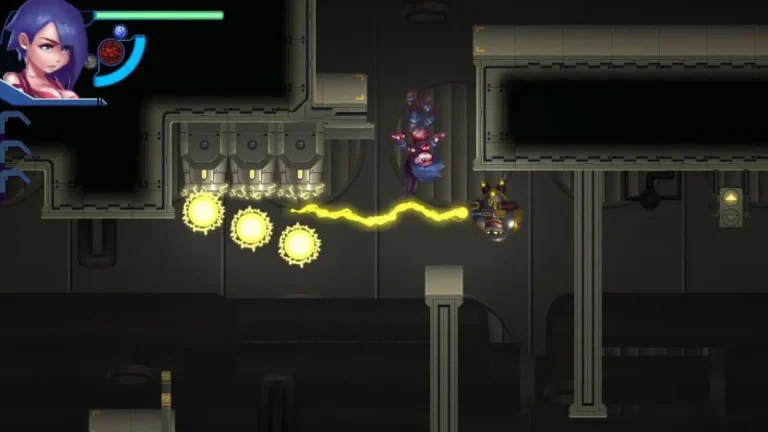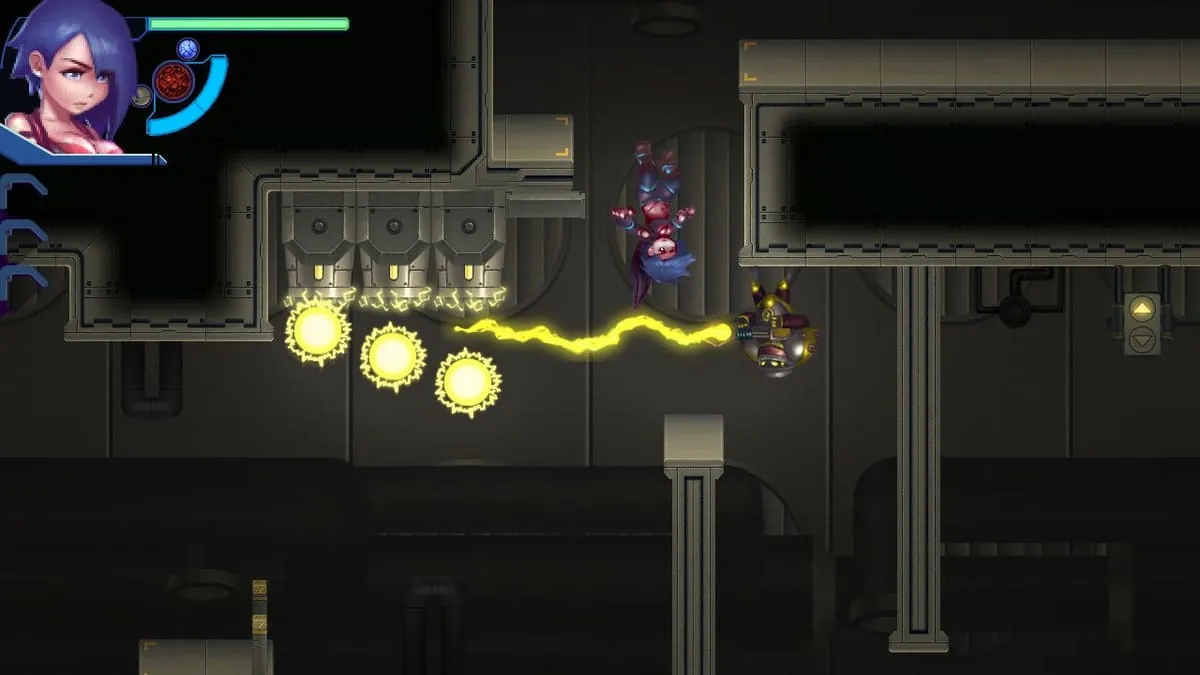
Future Fragments Screenshots

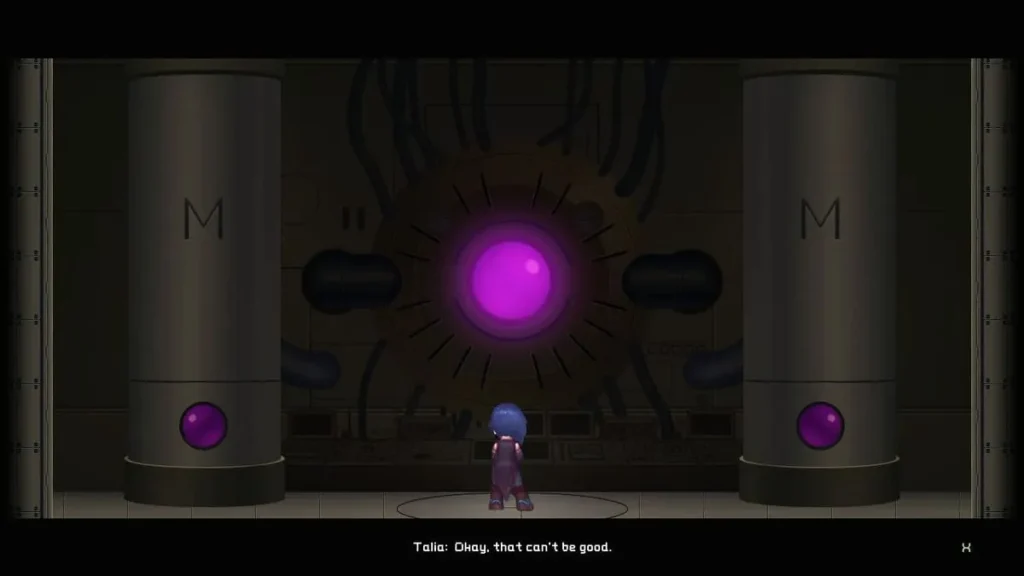
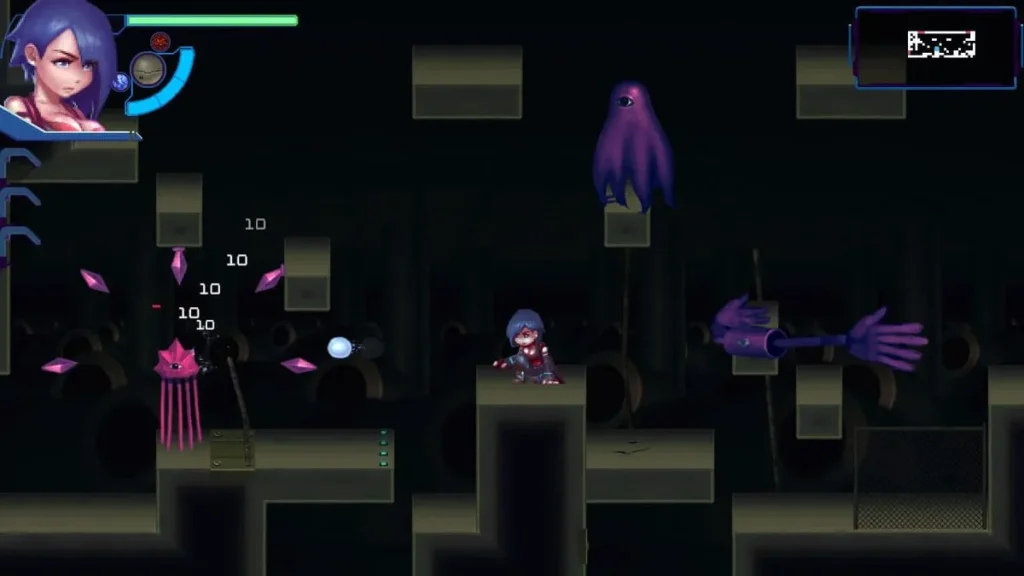
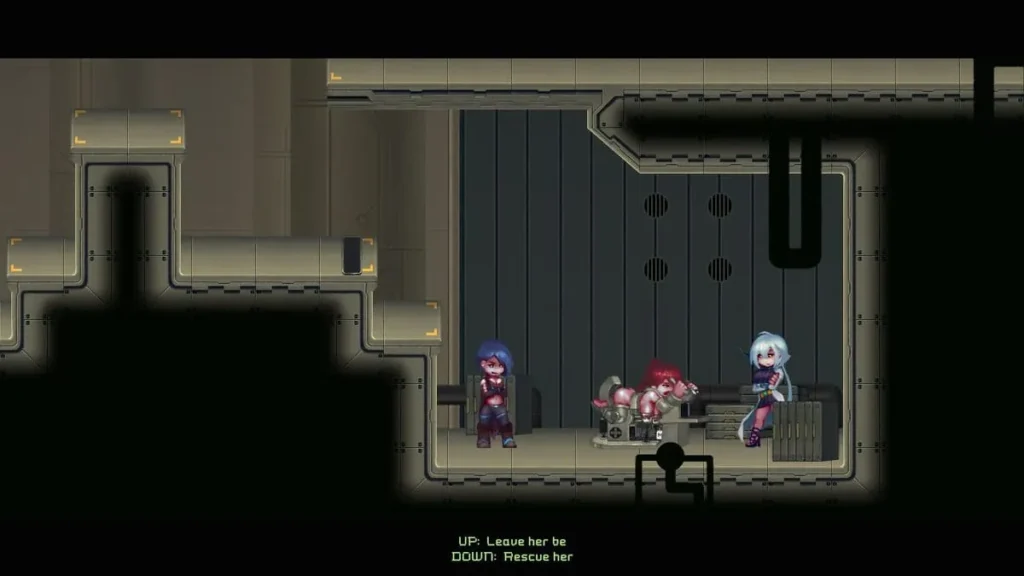

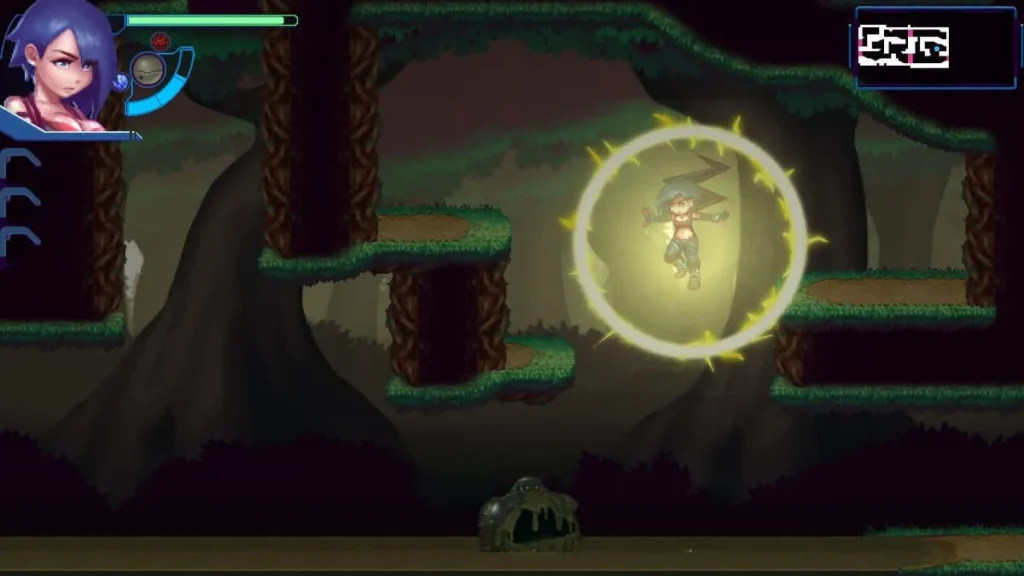
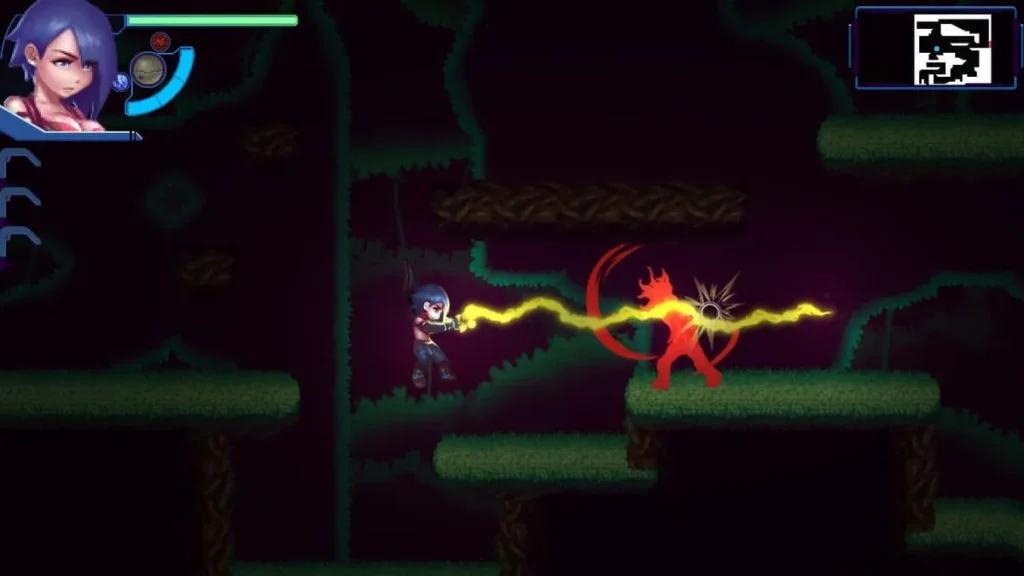
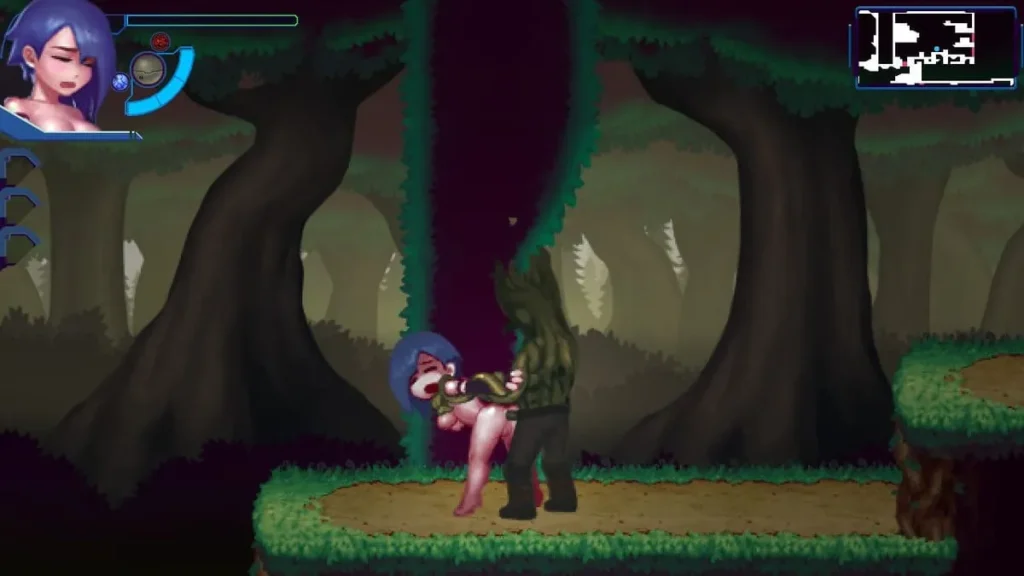

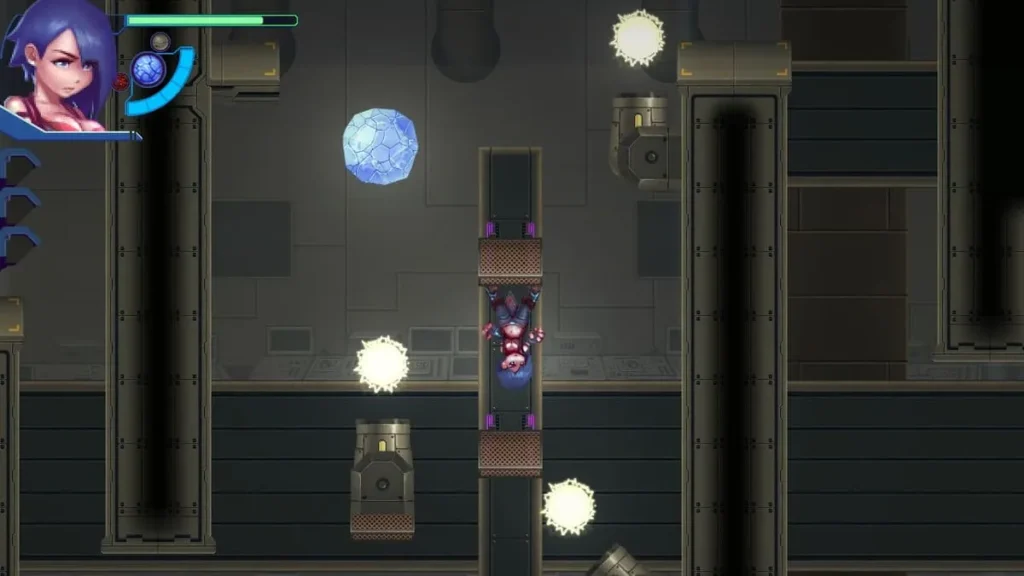

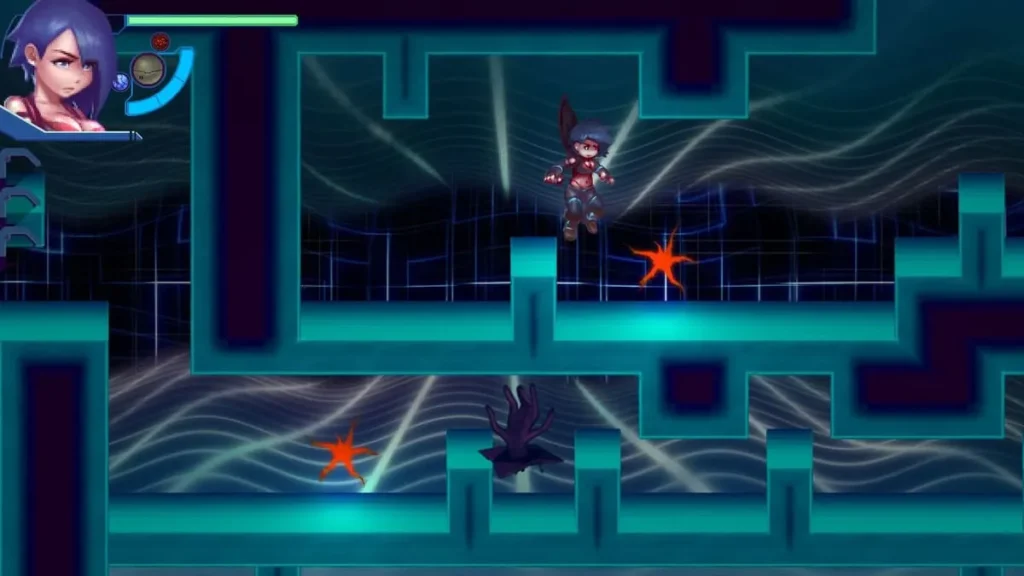
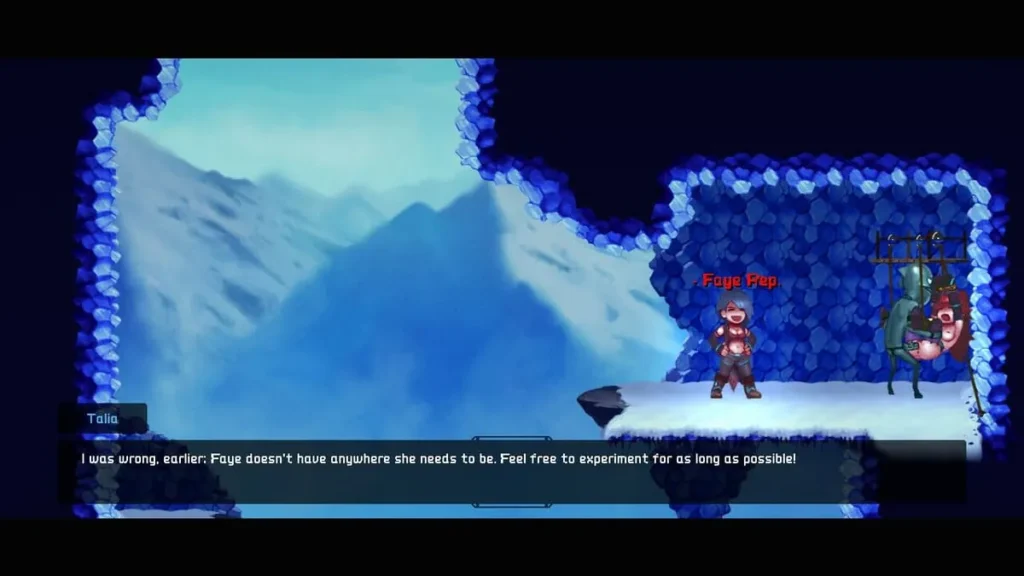
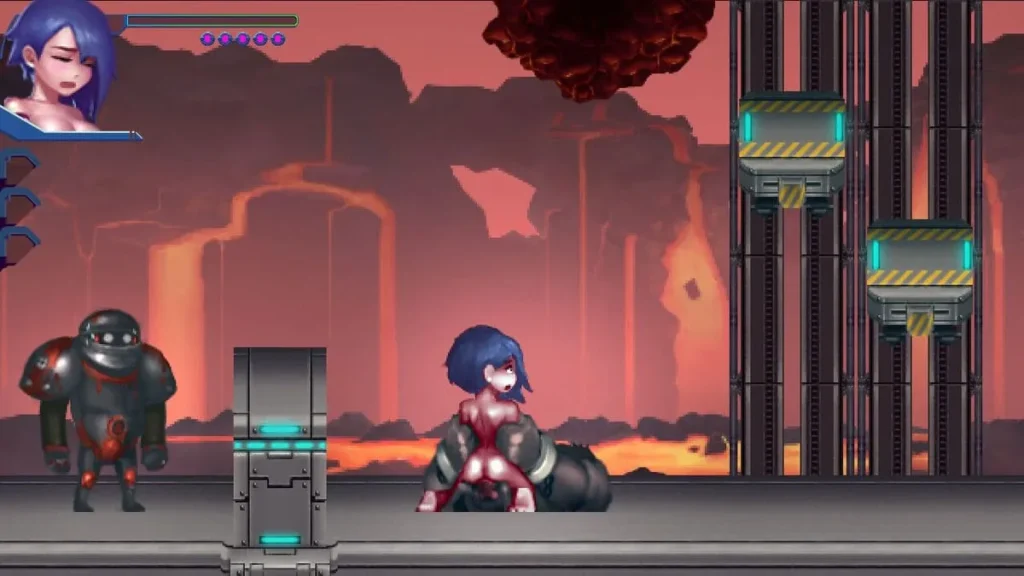
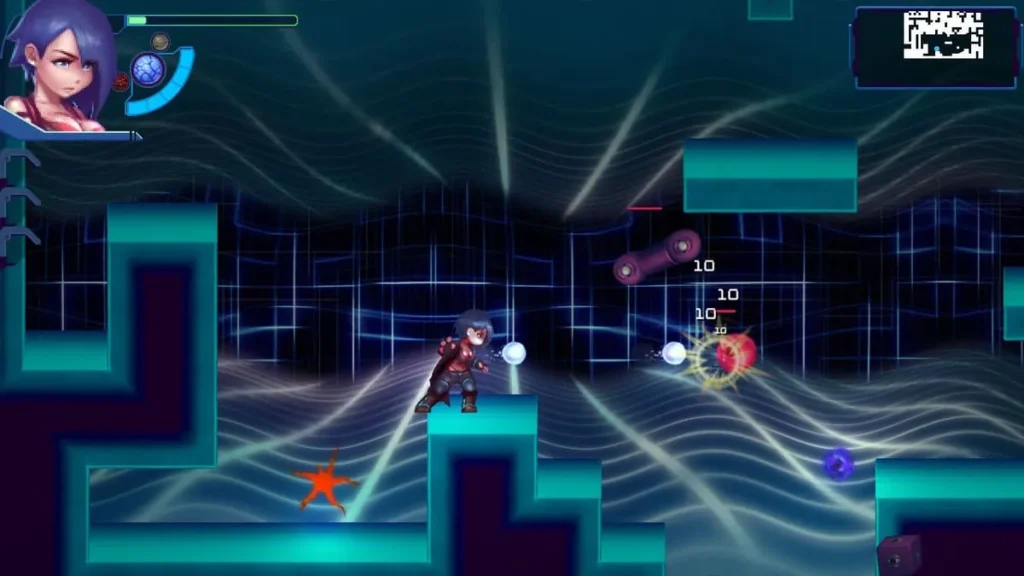
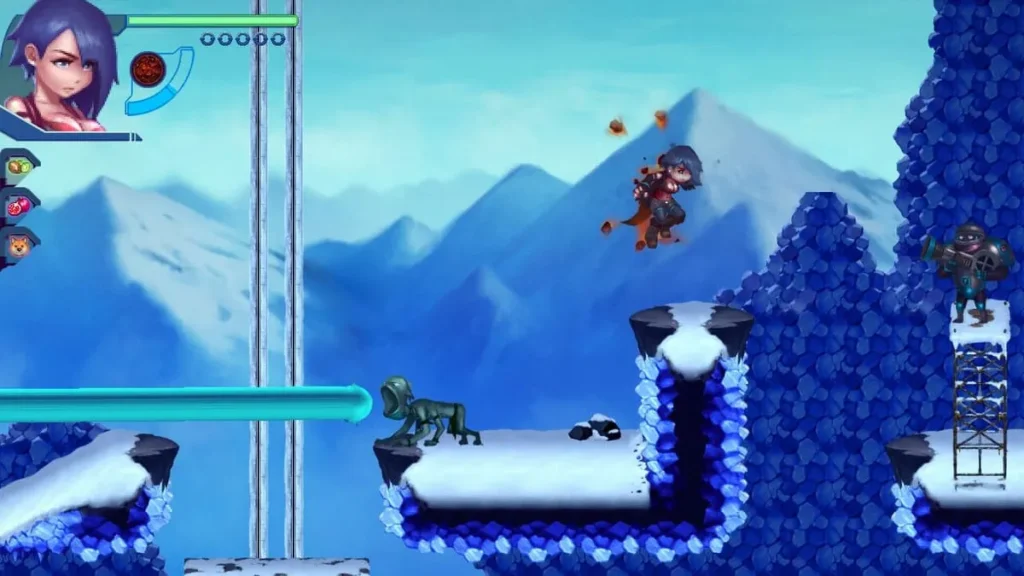
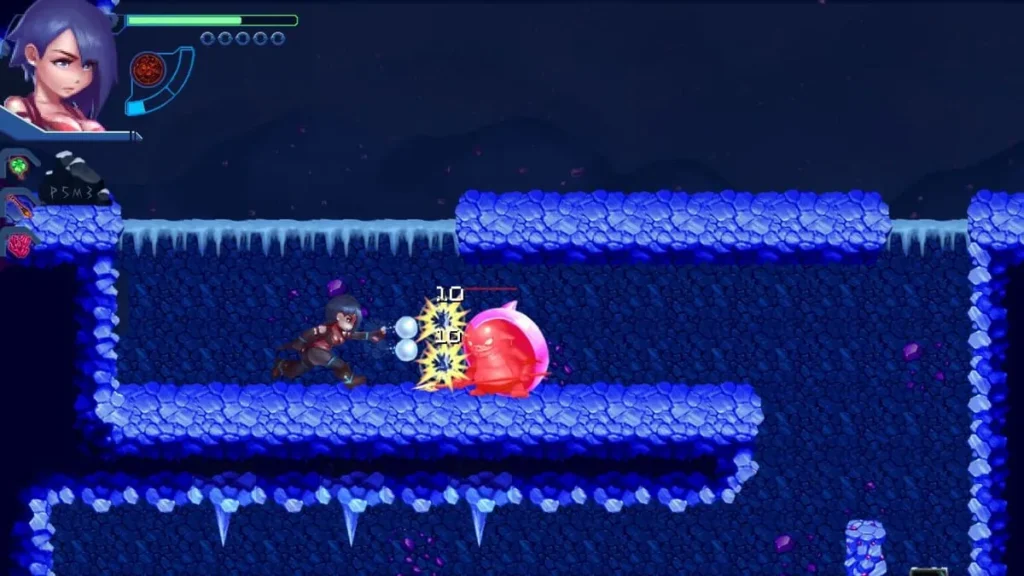
Future Fragments review
Exploring gameplay mechanics, story choices, and what makes this title stand out
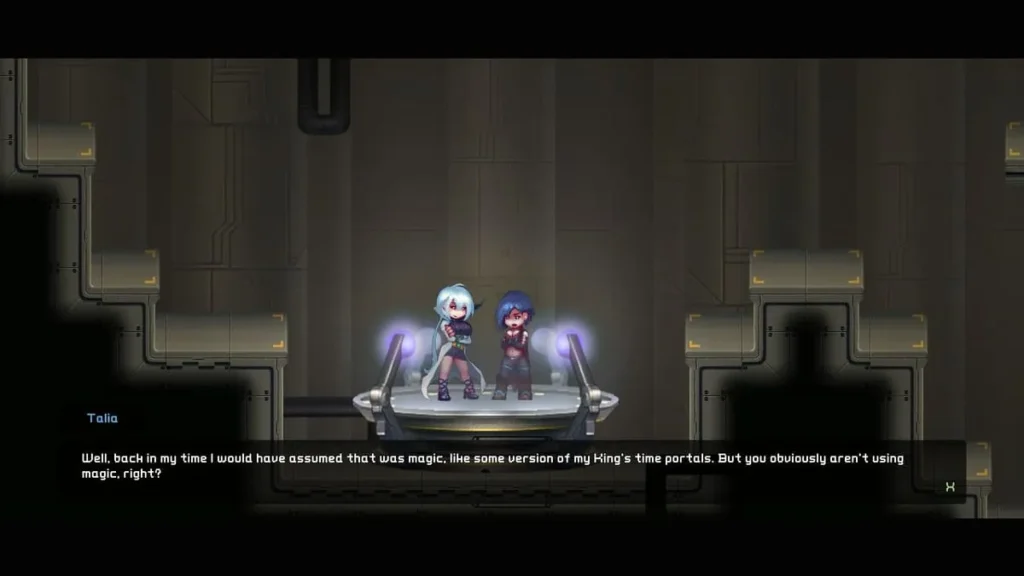
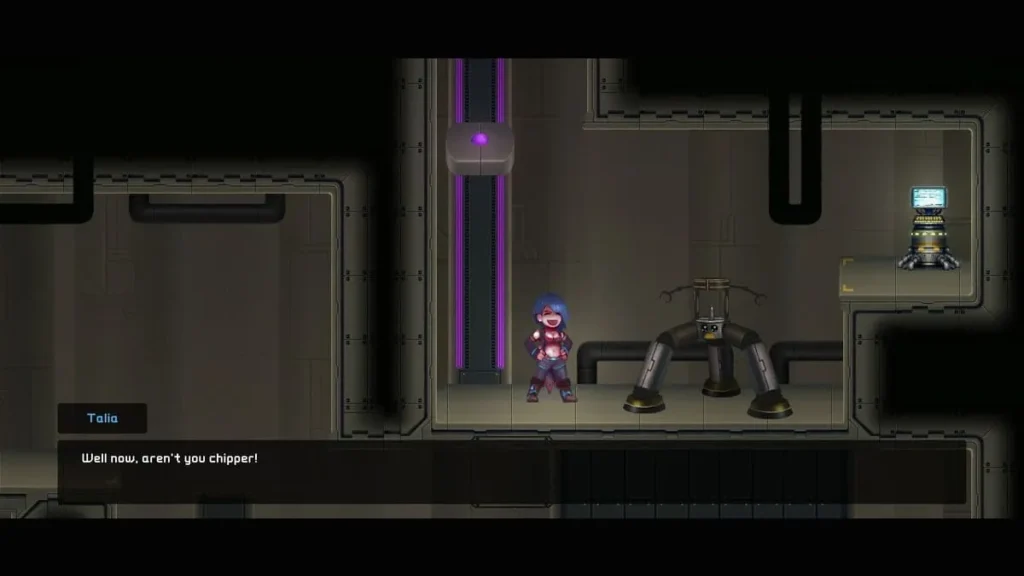
Future Fragments is a modern platformer that blends multiple genres into a unique gaming experience set in a distant, threatening future. Players take on the role of powerful mages Talia and Faye, who are sent from the year 1000 to retrieve fragments of a powerful weapon to defend their kingdom. This game stands out for its English voice acting, mind-bending gameplay that crosses genre boundaries, and a branching narrative where player choices genuinely impact the story’s direction. Whether you’re interested in the intricate world-building, character development, or the innovative mechanics that set it apart from traditional platformers, this guide covers everything you need to know about what makes Future Fragments a compelling gaming experience.
Gameplay Mechanics and Genre-Blending Design
Let’s be honest—you’ve played a platformer before. You know the drill: run right, jump over pits, maybe hit a few blocks. It’s comfortable, but sometimes it feels like you’re just going through the motions. I’ve been there too, coasting on muscle memory, wondering if the genre had any surprises left. Then I booted up Future Fragments, and let’s just say my expectations were thoroughly dismantled. This isn’t just another jump-and-run affair; it’s a wild, inventive fusion of ideas that demands you rethink everything you know about sidescrolling adventures. 🚀
At its core, the Future Fragments gameplay mechanics are a masterclass in hybrid design. It takes the precise, skill-based foundation of a platformer and welds it to the deep, systems-driven hearts of metroidvanias, RPGs, and even shoot-’em-ups. The result is a genre-blending platformer game that feels both familiar and thrillingly alien. You’re not just navigating spaces; you’re investigating them, fighting strategically within them, and building a unique power set from them. Every leap and shot feels consequential, tied directly to a grander scheme of item collection and progression. This chapter is your deep dive into the brilliant machinery that makes this title tick.
How Future Fragments Redefines the Platformer Genre
Forget labels. While Future Fragments proudly stands on the shoulders of platforming giants, it’s what it does with that foundation that’s so captivating. The game looks at the traditional “get from point A to point B” goal and asks, “But what about all the space in between? And what if B wasn’t even the real point?” This philosophical shift is the engine of its design.
The most immediate departure is its commitment to exploration-based game design. This isn’t a linear corridor with occasional secret walls. Each stage is a vast, interconnected puzzle box. Your primary objective is rarely just an exit door; it’s to recover specific “Fragments” scattered throughout the environment. To find them, you’ll need to poke, prod, and experiment. I remember spending a good twenty minutes in one early industrial zone, convinced I’d seen everything, only to realize a seemingly decorative pipe could be rotated using a later-acquired ability, revealing an entirely new vertical shaft loaded with goodies. The game respects your curiosity and consistently rewards it with meaningful upgrades, not just collectibles for a counter.
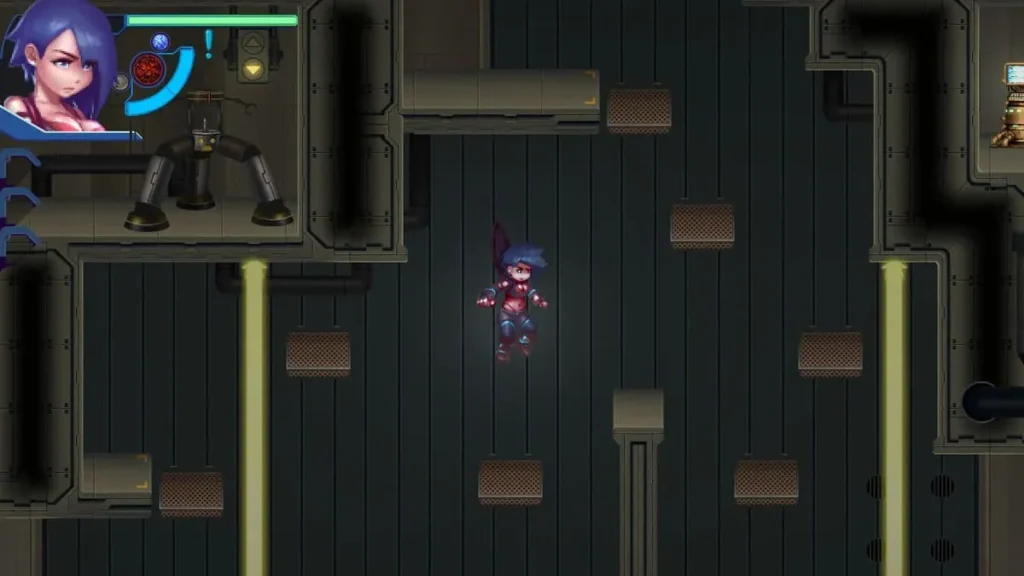
This approach completely recontextualizes the platforming itself. A double-jump isn’t just a tool to cross gaps; it’s a key to reaching a hidden ledge you spotted three rooms back. A dash move isn’t just for evading attacks; it’s necessary to cross a wide chasm before a temporary platform vanishes. The platforming challenges are directly in service of the exploration, making every movement ability feel purposeful. The Future Fragments stage design is meticulously crafted to facilitate this loop, with multi-tiered environments that encourage verticality and backtracking with new gear.
Furthermore, the game seamlessly integrates non-platformer DNA. You’ll engage in elaborate boss battles that feel ripped from a top-down bullet-hell shooter, demanding pattern recognition and precise positioning. Light RPG elements let you tailor your character’s effectiveness against certain enemy types or environmental hazards based on the items you equip. It’s this fearless blending that solidifies its status as a premier genre-blending platformer game. You’re not playing one game; you’re playing the best parts of three or four, all woven together with astonishing cohesion.
Exploration and Item Collection Systems
If the heart of Future Fragments is exploration, then its lifeblood is the stuff you find. The item collection and progression system is arguably the game’s most addictive and rewarding feature. This isn’t about grabbing 100 identical coins for an extra life. Every discovery feels significant and permanently empowering.
The world is littered with distinct pickups:
* Key Items & Fragments: These are your main quest targets. Finding them often requires solving multi-step environmental puzzles or defeating guardian enemies.
* Ability Modules: These are the big prizes. Finding one can grant you a new movement or combat skill, like a wall jump, a ground slam, or a specialized shot type. These are the gates that open up previously inaccessible parts of all stages, massively encouraging replayability.
* Stat Upgrades & Chip Sets: Scattered everywhere are boosts to your health, energy, and weapon power. More interesting are the equippable “chips” that modify your playstyle—one might increase your dash speed, while another causes defeated enemies to drop more health. You can mix and match these to create a build that suits you, whether you prefer aggressive combat or evasive exploration.
The genius is in how these systems talk to each other. Finding a new Ability Module doesn’t just open one door in its home stage; it might reveal five new paths in stages you’ve already visited. I had a “eureka!” moment when I finally got the Grapple Beam equivalent. Suddenly, every stage I’d previously cleared had new, glowing grapple points I’d ignored because they were useless. Revisiting an area with new tools feels less like a chore and more like a triumphant return, seeing a familiar place with entirely new eyes. 👁️✨
The game brilliantly formalizes this thoroughness with its Emblem system. At the end of each stage, you’re graded not just on speed, but on completion percentage, fragments found, and secrets uncovered. Earning high-tier emblems often unlocks bonus art, music, or even entirely new unlockable stages and abilities. It transforms completionism from a personal obsession into a core, rewarded gameplay loop.
This design philosophy directly impacts how you experience each level. A speedrunner can blast through a stage’s critical path in a short time, but a treasure hunter will lose themselves in its depths. Here’s a breakdown of how that plays out:
| Exploration Level | Stage Focus | Average Completion Time | Primary Rewards |
|---|---|---|---|
| Speed Run | Main objective, critical path only | 8-15 minutes | Story progression, basic emblems |
| Thorough Search | Finding all key fragments & major items | 25-40 minutes | Ability Modules, high-grade emblems, stat upgrades |
| 100% Completion | Every secret, every hidden chip, max emblem score | 45-75+ minutes | Unlockable art/stages, special chips, true ending requirements |
Pro Tip: Don’t rush your first visit to a new stage! Soak it in. Make a mental note of every weird wall, out-of-reach platform, or unusual enemy placement. They’re almost always clues for a later revisit.
Combat Mechanics and Enemy Encounters
You might be a master explorer, but the fractured future of Future Fragments is a hostile place. This is where the game’s combat system mechanics shine, transforming encounters from simple obstacles into strategic puzzles. You can’t just button-mash your way to victory; you need to think, adapt, and use your environment.
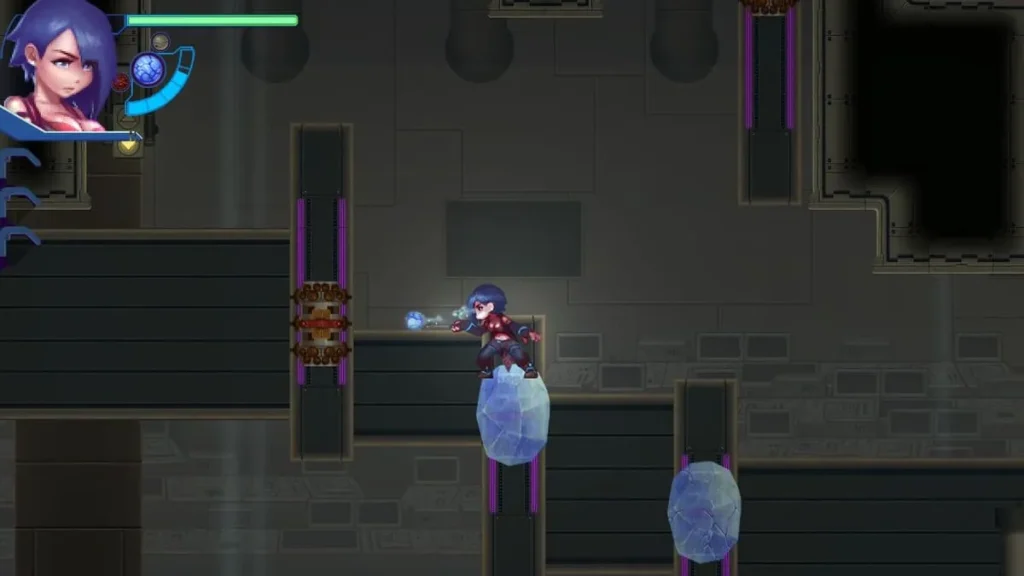
Your basic toolkit is satisfyingly crunchy. You have a standard rapid-fire shot, a more powerful charged blast, and a melee attack for close-quarters defense. But the depth comes from how you modify and employ these tools. The chips and ability modules you find directly alter your combat effectiveness. One run, I focused on charge-shot enhancements, letting me snipe dangerous foes from a safe distance. In another, I stacked chips that boosted my melee damage and built a close-range, high-risk brawler. This customization means the combat system mechanics are partly what you make of them.
Enemy design is exceptional. Foes aren’t just health bars that move left and right. Each type has a specific behavior and weakness. Some are armored from the front but vulnerable from behind or above. Others might be immune to your standard fire but stagger easily from melee hits. I learned this the hard way against a certain robotic sentry, wasting all my energy on its faceplate before noticing its glowing, unguarded back. The game teaches you to observe first and shoot second.
Encounters are rarely random. Enemies are placed as part of the Future Fragments stage design, often guarding key items or blocking alternate paths. Sometimes, defeating all enemies in a room is the key to opening a door. Other times, avoiding combat through clever platforming is the smarter option. This integration makes every fight feel intentional and part of the world’s logic, not just a way to pad the runtime.
Then there are the bosses. 🐙🎯 These are monumental spectacles that test everything you’ve learned. They combine complex attack patterns (dodging a screen-filling laser grid while platforming on crumbling blocks is a common thrill) with specific weak points you must discover and target. Beating a boss often requires using your entire movement arsenal—dashing through waves of bullets, double-jumping over shockwaves, and grappling to safe zones—all while managing your weapon energy. It’s here that the game’s genre-blending platformer game identity becomes most apparent, offering a climactic, skill-based challenge that feels earned.
The Future Fragments gameplay mechanics ultimately create a powerful, self-reinforcing cycle. You explore to find items that make you stronger. Your new strength lets you explore more dangerous areas and defeat tougher enemies, which yield even better items. It’s a loop of constant, tangible empowerment. The unlockable stages and abilities you earn feel like real achievements, not just checklist entries. Every system, from the leap of faith across a spike pit to the calculated destruction of a towering boss, is designed to feed back into this core, exhilarating sense of discovery and growth. This isn’t just a platformer with extras; it’s a unified vision of adventure, proving that the future of the genre is brightest when it’s willing to break its own mold.
Future Fragments represents a thoughtful evolution of the platformer genre, successfully merging action-based gameplay with narrative depth and meaningful player agency. The game’s commitment to English voice acting, intricate world-building, and a branching story system creates an experience that appeals to both casual players seeking engaging gameplay and narrative enthusiasts looking for choices that matter. From its exploration-focused design that rewards thorough investigation to its complex character arcs that respond to player decisions, Future Fragments demonstrates how modern indie games can push creative boundaries. Whether you’re drawn to the dystopian future setting, the dynamic relationship between Talia and Faye, or the satisfying blend of platforming and puzzle-solving, this title offers a rich gaming experience worth exploring. If you’re considering diving into Future Fragments, prepare for a game that challenges your expectations of what a platformer can be.