The Theater of Sinners
Play The Theater of Sinners
The Theater of Sinners Screenshots
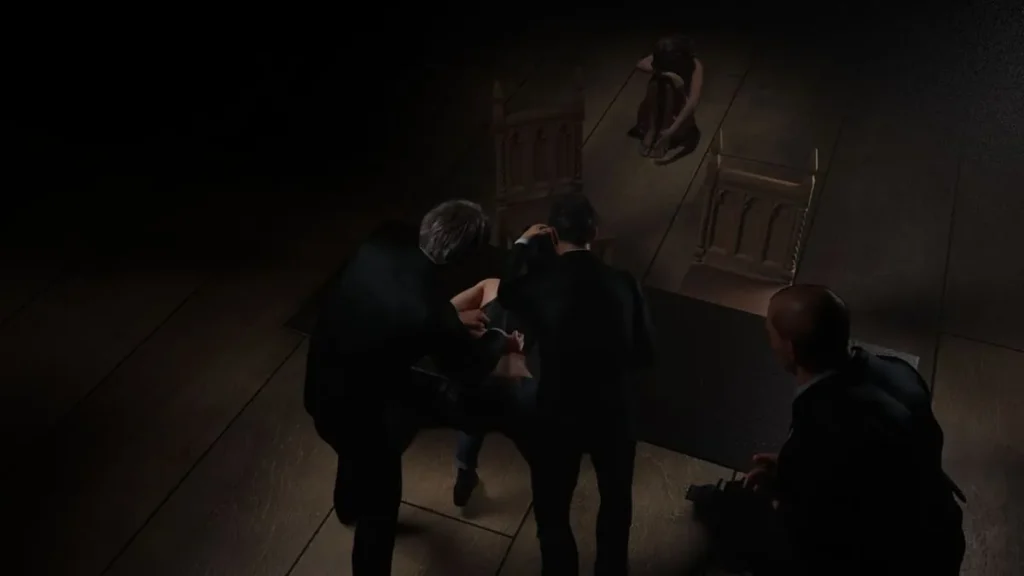
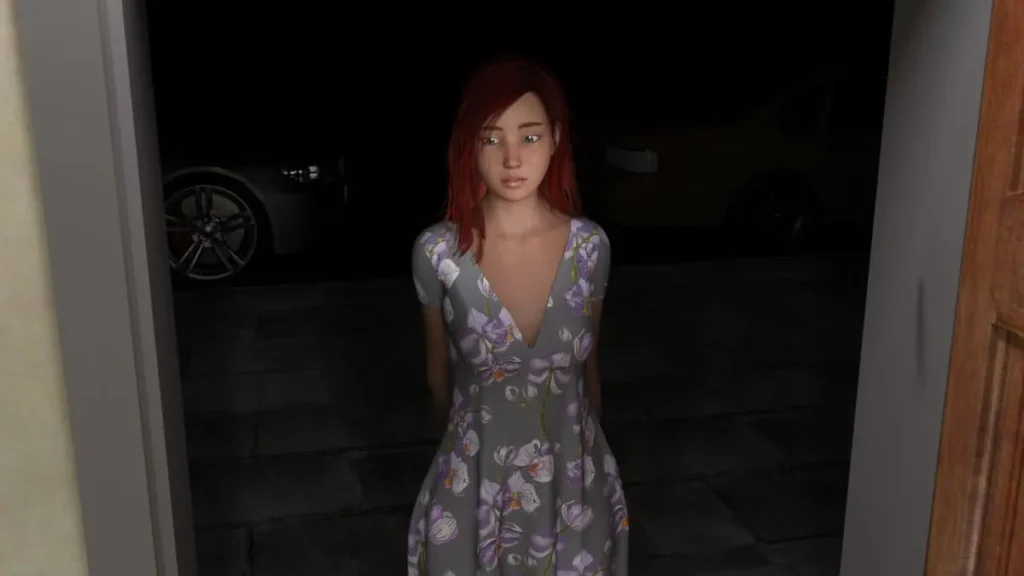
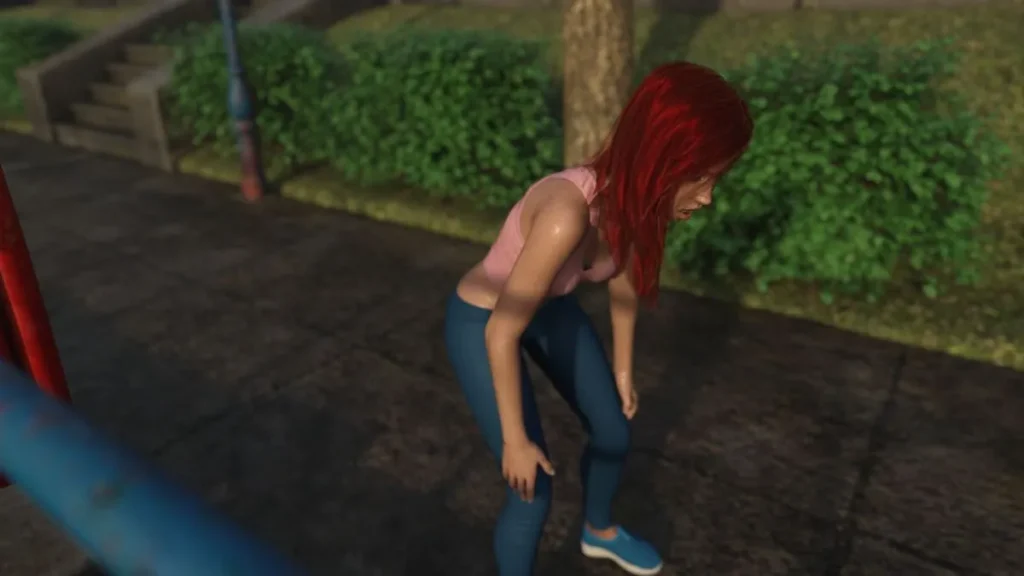
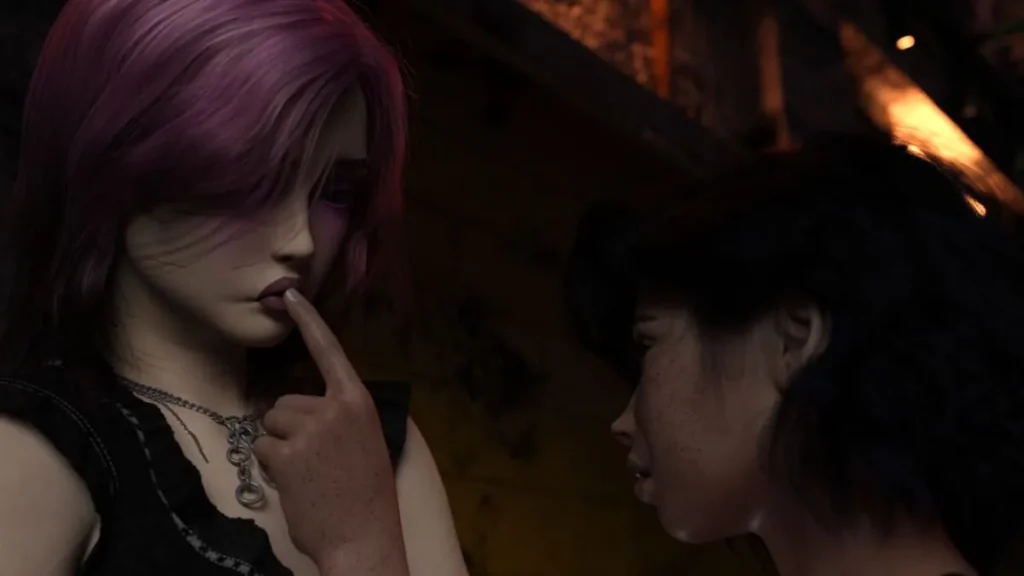
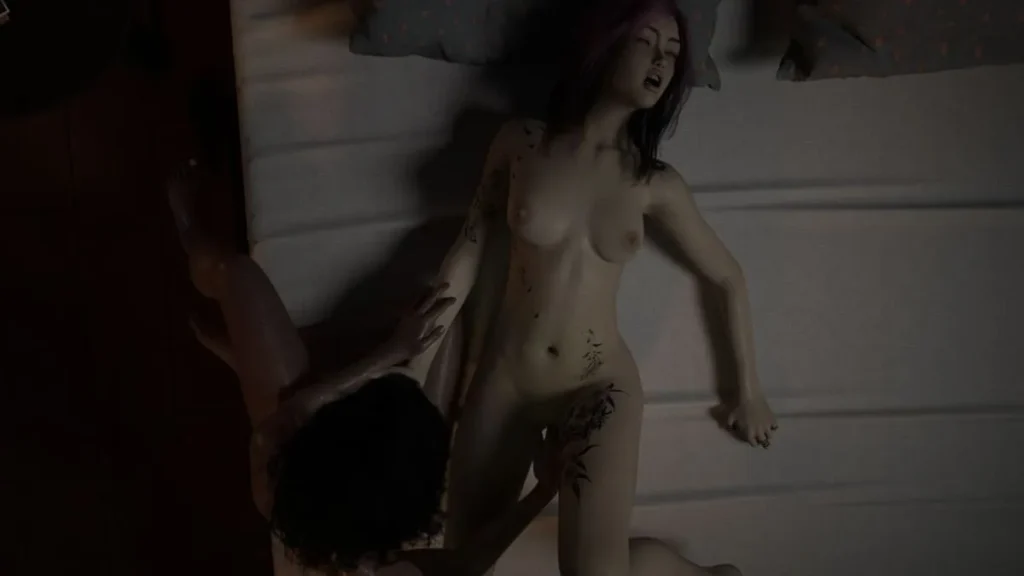
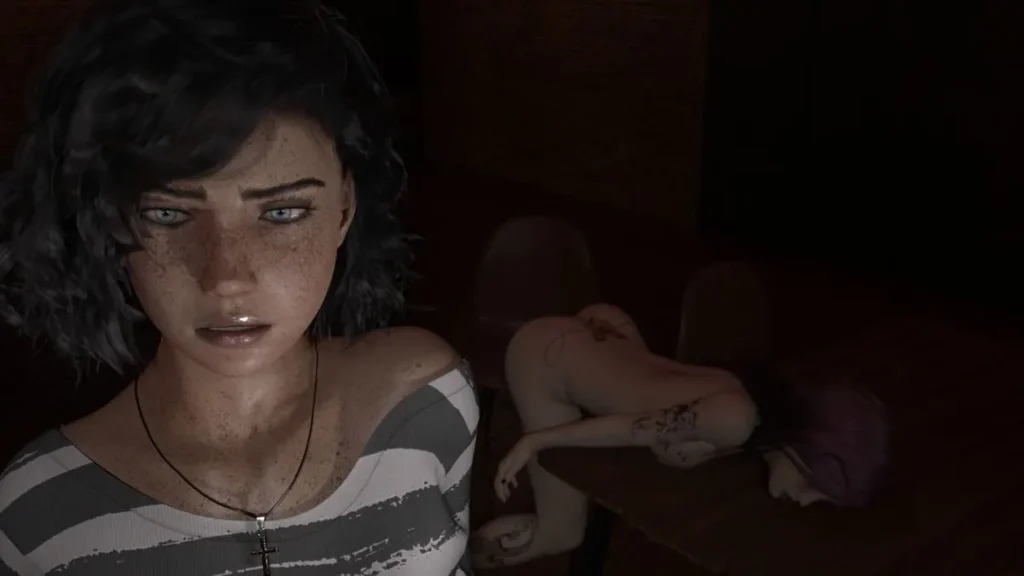

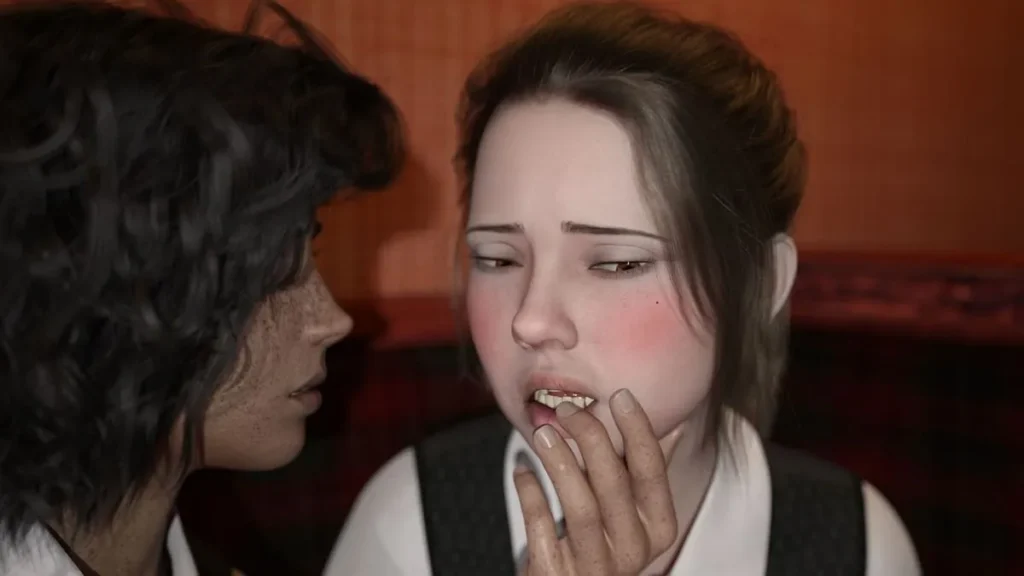
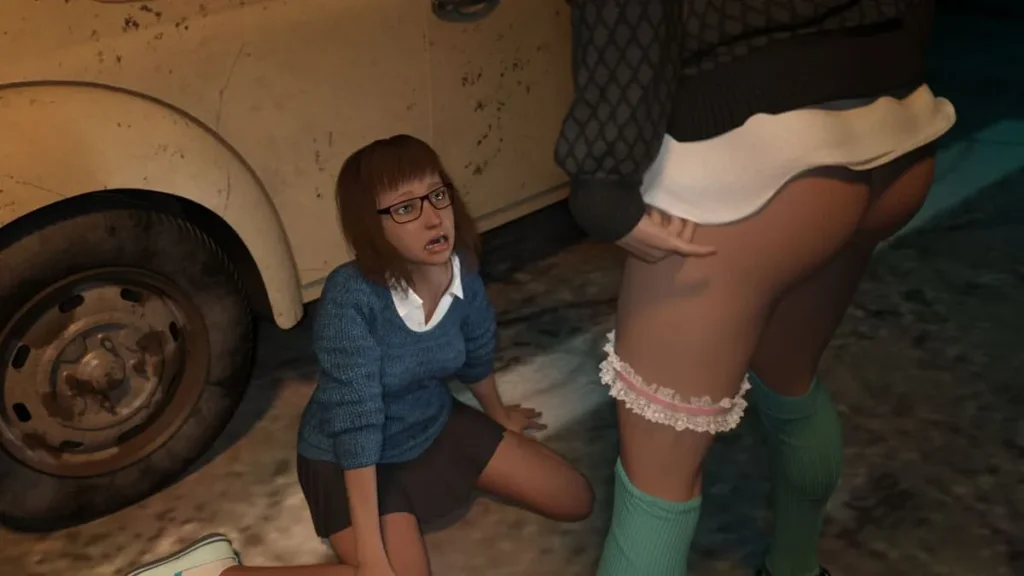
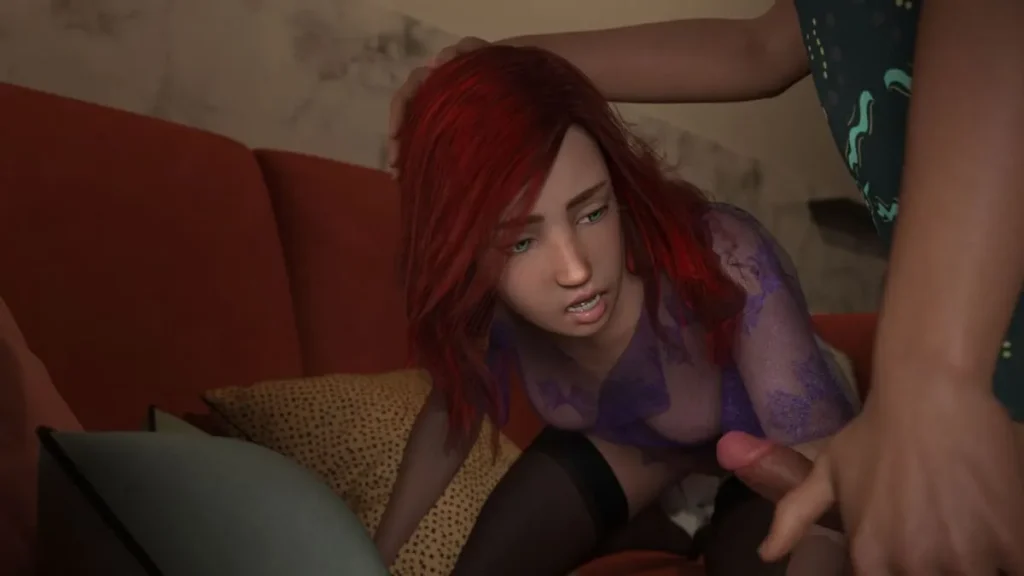
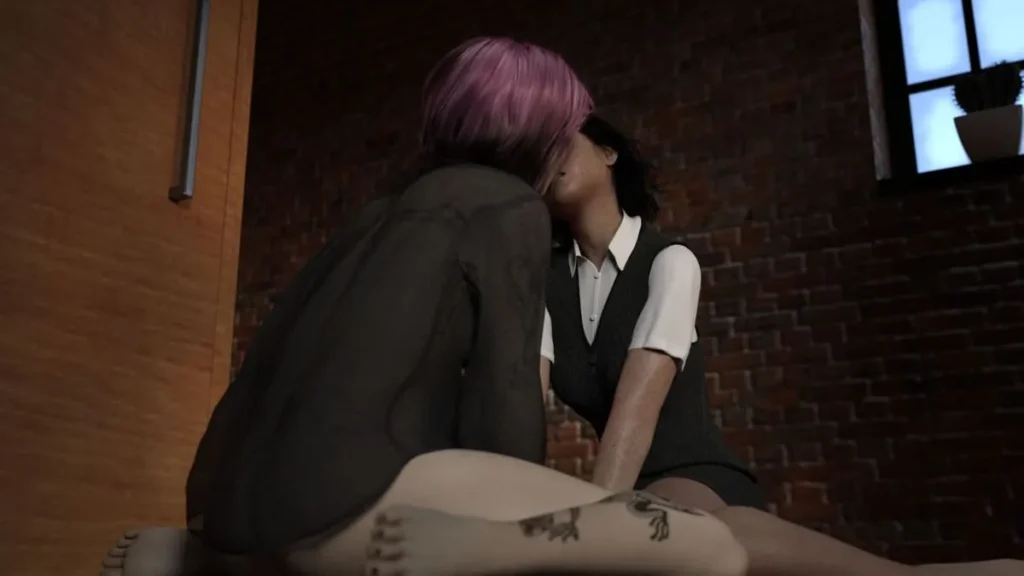
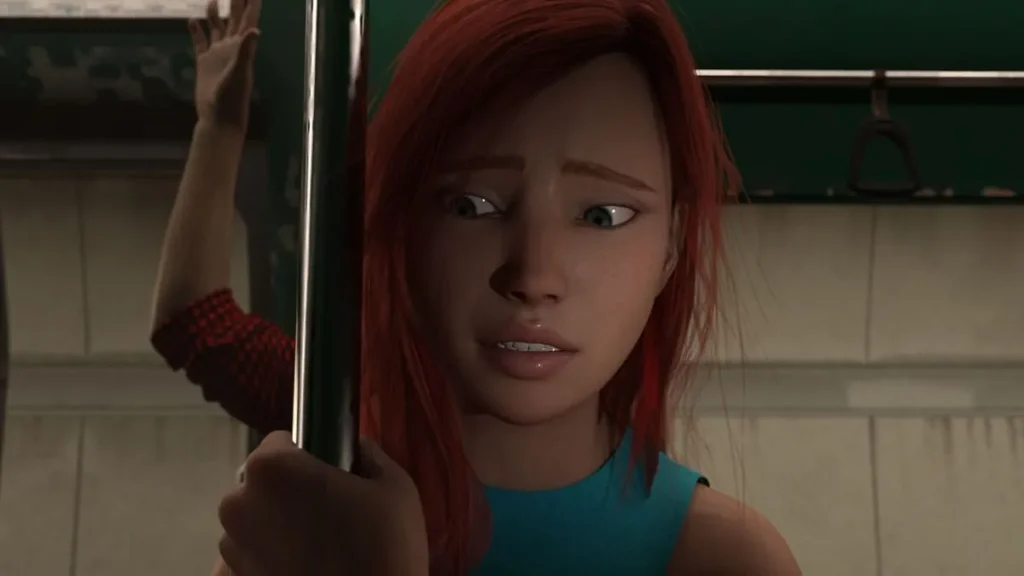
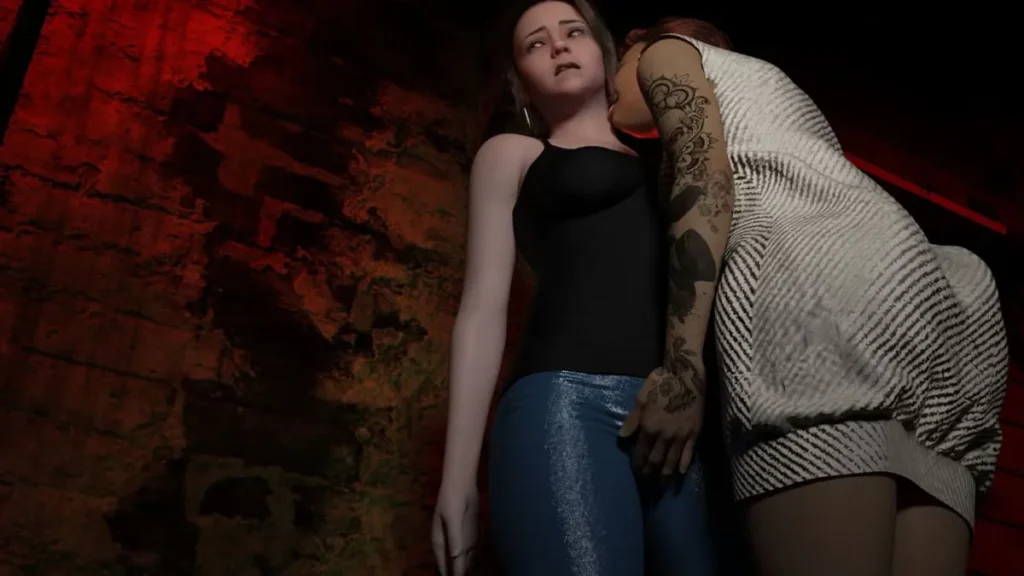

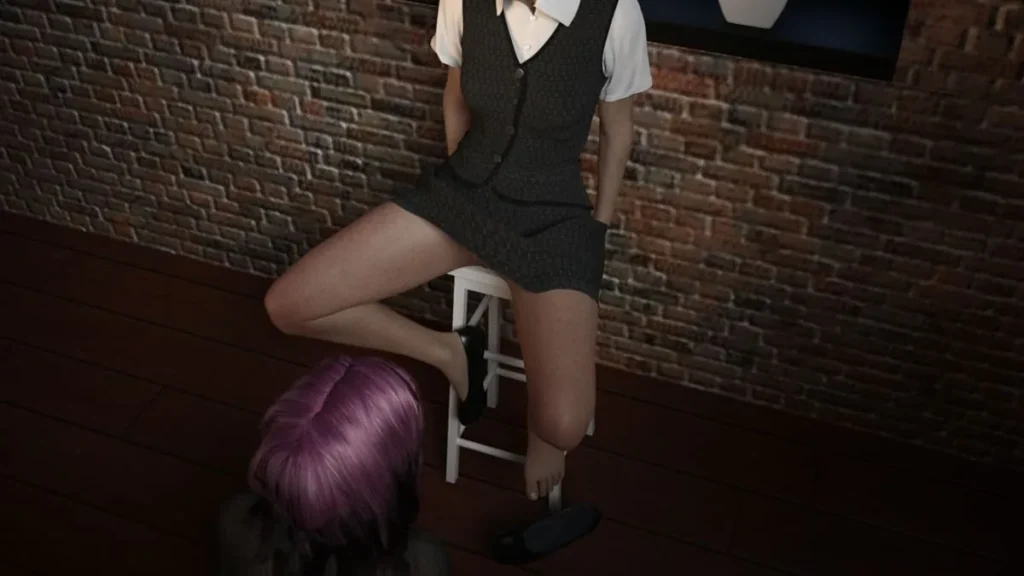
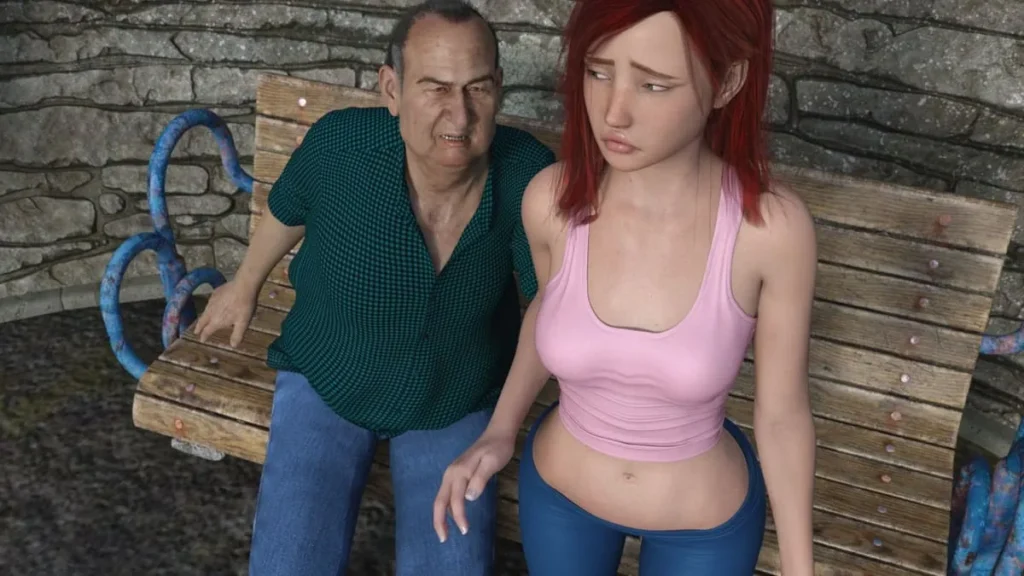
The Theater of Sinners review
Dive into humiliation, corruption, and twisted choices in this Ren’Py adult game
Ever stumbled into a game that grips you with chilling horror and raw, twisted desires? That’s ‘The Theater of Sinners’ for you—a Ren’Py visual novel that blends psychological fantasy with intense adult themes. Follow Paula, daughter of a powerful figure bullied into deviance by teen delinquents, and Rebeca, shaped by an abusive home into something she despises. I first played it late one night, heart racing from its non-linear flashbacks and moral gray areas. Your choices shape their paths through humiliation, corruption, and brutality. Ready to explore this shadowy world? Let’s break it down.
What Makes The Theater of Sinners a Must-Play Horror Experience?
I remember the exact moment The Theater of Sinners hooked its claws into me. 🕷️ It was well past midnight, and I’d just clicked through what I thought was a simple choice for Paula, the protagonist. The screen faded, a haunting track played, and a flashback unfolded that was so viscerally cruel and psychologically sharp, I had to pause the game. I sat in the quiet dark, genuinely unsettled. I didn’t just play through that session; I felt like I’d lived it. That’s the raw power of this dark psychological fantasy game—it doesn’t just show you horror; it makes you complicit in it. By dawn, I was exhausted, captivated, and utterly convinced I’d found one of the most compelling narratives in the indie scene.
So, what is The Theater of Sinners about? At its heart, it’s a deep, uncomfortable dive into the lives of two young women, Paula and Rebeca, whose stories are a masterclass in tragedy and corruption. This isn’t a game you simply watch; it’s one you steer through a maze of bad decisions and chilling consequences, making its RenPy visual novel horror framework feel intensely personal and alarmingly real.
Unpacking the Core Storyline and Protagonists
The genius of The Theater of Sinners story lies in its dual narrative. You don’t follow one hero’s journey; you navigate the fractured lives of Paula and Rebeca Theater of Sinners, two girls from utterly different, yet equally damaging, worlds. Their tales are told in a non-linear fashion, peppered with flashbacks that slowly peel back the layers of how they became who they are.
Paula is the daughter of a revered, almost mythical religious figure. On the surface, she has a life of privilege and expectation. But beneath that, she’s a teen delinquent, thrown into a pit of wealthy, ruthless peers who see her not for her faith, but as a target for their most vicious forms of bullying and social corruption. Her path is a brutal exploration of losing one’s identity under immense pressure.
Rebeca’s world is grittier, grounded in a different kind of hell. Raised by a neglectful addict mother and a violently abusive stepfather, her childhood was a fight for survival. The tragic irony of her arc is that in her desperate struggle to escape, she often morphs into the very kind of person she despises. Her story asks a painful question: can you break a cycle without becoming part of it?
Their narratives are interwoven not by direct interaction at first, but by thematic echoes—themes of powerlessness, the hunger for control, and the different masks people wear to survive. The supporting cast around them isn’t just decoration; they are active agents of change. The bullies, the enablers, the seemingly kind faces with hidden agendas—your choices directly shape your relationships with them, which in turn twists the main plot in startling ways.
To see their stark contrasts at a glance, here’s a breakdown:
| Character | Background | Main Conflicts | Choice Impacts |
|---|---|---|---|
| Paula | Daughter of a renowned holy figure; lives in a world of high social status and strict religious expectation. | Intense bullying & social corruption from wealthy peers; crisis of faith and identity; living up to an impossible legacy. | Choices affect her “Corruption” and “Will” stats, leading to paths of broken submission, vengeful malice, or a fragile resilience. |
| Rebeca | Grew up with an addict mother and an abusive stepfather; life marked by poverty, neglect, and violence. | Cycles of abuse and self-loathing; struggling with trust and her own capacity for cruelty; the fight for basic autonomy. | Choices influence her “Ruthlessness” and “Trauma,” steering her toward hardened isolation, repeated victimhood, or becoming an abuser herself. |
How Choice-Driven Mechanics Shape Dark Outcomes
This is where The Theater of Sinners truly becomes your nightmare. 🎭 This isn’t a visual novel with one or two big branching paths. It’s a dense, stat-driven ecosystem where every seemingly small decision accumulates weight. The game tracks hidden metrics like Corruption, Will, Ruthlessness, and Trauma. These numbers silently tick up or down, locking and unlocking future scenes and ultimately deciding which version of the story you experience.
Let me give you an example from my first, fateful playthrough. Early on as Paula, a group of girls “invites” her to a party. You get a choice: politely decline, or reluctantly agree out of fear of further isolation. I chose to go, thinking I was avoiding conflict. This single choice boosted a hidden corruption stat. Hours later, that same stat milestone triggered a flashback scene where Paula, influenced by this gradual moral erosion, participated in a truly brutal act of humiliation against another character. The game didn’t just tell me Paula was changing; it used my own prior choice to justify her descent. That’s the power of Theater of Sinners choices—they feel consequential and often horrifyingly logical in retrospect.
The structure is also non-linear. Events unlock based on the order you play chapters and the milestones you hit. This means two playthroughs can feel radically different. Maybe in one run, you see Rebeca’s breaking point in Chapter 3, while in another, a gentler series of choices delays that trauma until much later, completely changing the context. My practical advice? Play events in varied orders on replays. You’ll be shocked how a scene you saw as tragic in one context becomes darkly ironic in another.
Insight Tip: The game’s realism often stems from tiny details. Pay attention to the facial reactions and the dialogue pauses. A character’s flinch, a moment of eye contact avoidance—these moments feel drawn from real human experiences, not just scripted drama. It’s this attention to psychological detail that makes the RenPy visual novel horror so immersive.
Why the Art and Atmosphere Pull You In Deep
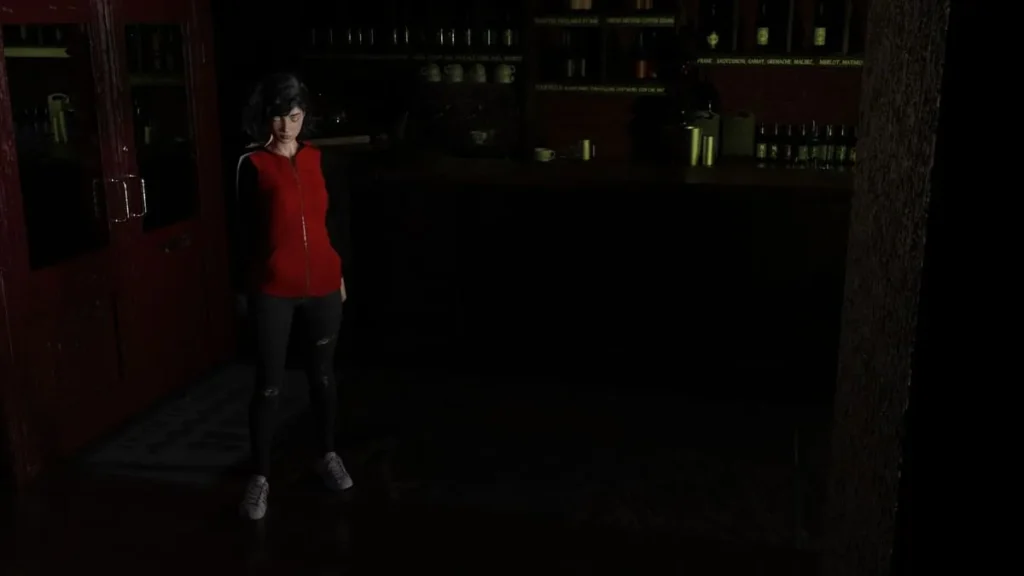
Ren’Py games live and die by their ability to build a world, and The Theater of Sinners is a masterclass in atmospheric storytelling. 🖤 The art style walks a perfect line between grounded and stylized. Character sprites are incredibly expressive—a slight downturn of a mouth, a shadow over the eyes—conveying volumes about their inner turmoil. The environments, from opulent, cold mansions to claustrophobic, messy apartments, are characters in themselves.
But the true star is the atmosphere. The sound design is minimalist but devastating: the echo of footsteps in an empty hall, the muffled sound of an argument through a wall, the stark silence that follows a cruel remark. The music score is a haunting companion, knowing exactly when to swell with melancholy or drop away completely, leaving you alone with the weight of a decision.
This all combines to create a sense of psychological fantasy horror that’s more potent than any jump scare. The horror isn’t about monsters (though there are dark fantasy elements lurking at the edges); it’s about the monstrous potential within people and the systems that create them. The game expertly blurs the lines between good and evil, making you question every motive, including your own as the player pushing the buttons. Are you trying to save these girls, or are you curious to see how far they can fall?
And for those ready to dive in, getting started is straightforward:
* The game is free and made in Ren’Py.
* Installation is simple: download the package, extract the files, and run the included Ren’Py executable. It’s available for Windows, macOS, Linux, and there are often Android ports shared by the community.
* Go in with an open mind and a strong stomach. Save often, and don’t be afraid to follow your instincts, even if they lead to dark places—that’s where the most impactful parts of The Theater of Sinners story often hide.
So why is it so addictive for fans of dark narratives? Because it respects your intelligence and your emotional endurance. It presents a world of gray morals and difficult Theater of Sinners choices, then hands you the reins without judgment. The stories of Paula and Rebeca Theater of Sinners stay with you because they feel painfully human in their flaws and their struggles. You’re not just reading a story; you’re navigating a psychological labyrinth, and the chilling thrill is in seeing which version of yourself—and of them—makes it out the other side.
Quick FAQ
- How long does it take to complete? A single playthrough can take 6-10 hours, but to see the major narrative branches and unlock all the pivotal scenes, multiple playthroughs are not just recommended—they’re essential to fully grasp the story.
- Is it free or paid? It is completely free to download and play.
- What platforms can I play it on? As a Ren’Py game, it’s natively available for Windows, macOS, and Linux. Dedicated fans often create and share Android port files, so mobile play is usually possible too.
The Theater of Sinners stands out as a gripping Ren’Py gem, weaving horror, tough choices, and raw character arcs into an unforgettable experience. From Paula’s descent amid bullies to Rebeca’s inner battles, your decisions craft tales of corruption and blurred morals that linger long after. I keep replaying to unlock new branches—it’s that compelling. If dark visual novels with psychological depth call to you, dive in today. Download from the dev’s itch.io page, fire it up, and let the theater unfold. What’s your first choice going to be?