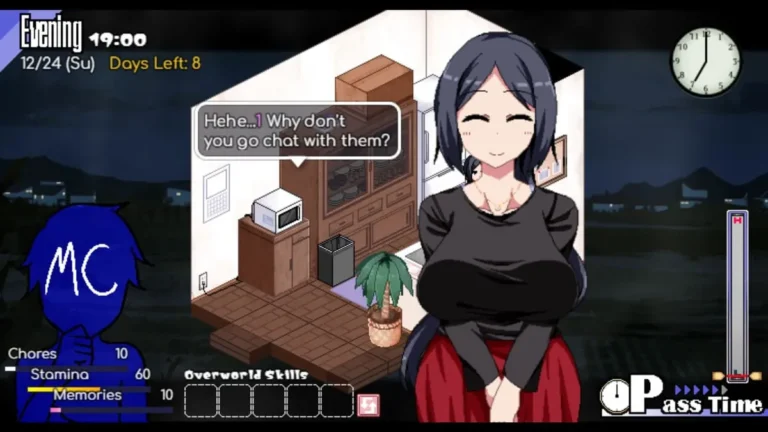
Winter Memories Screenshots
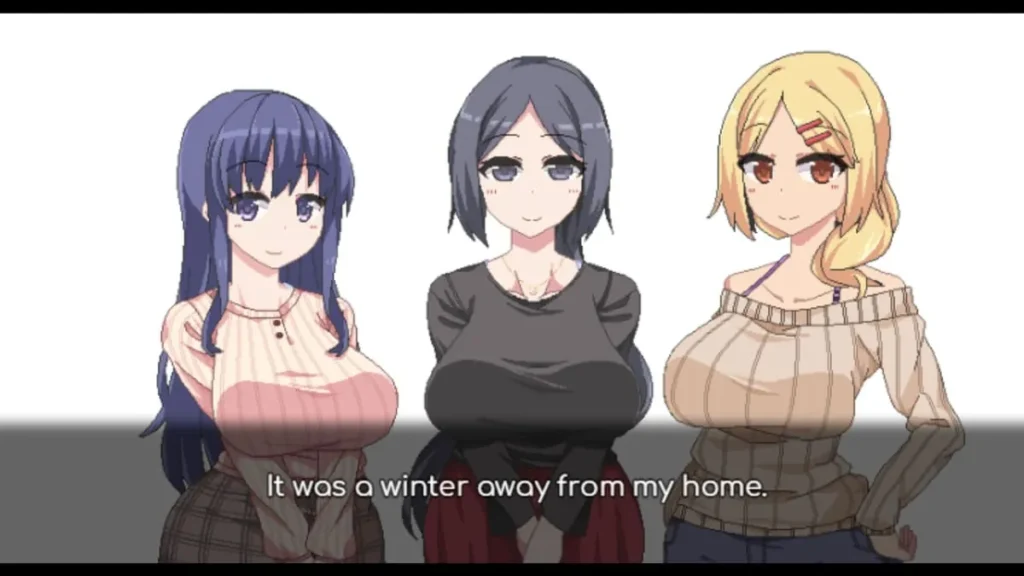
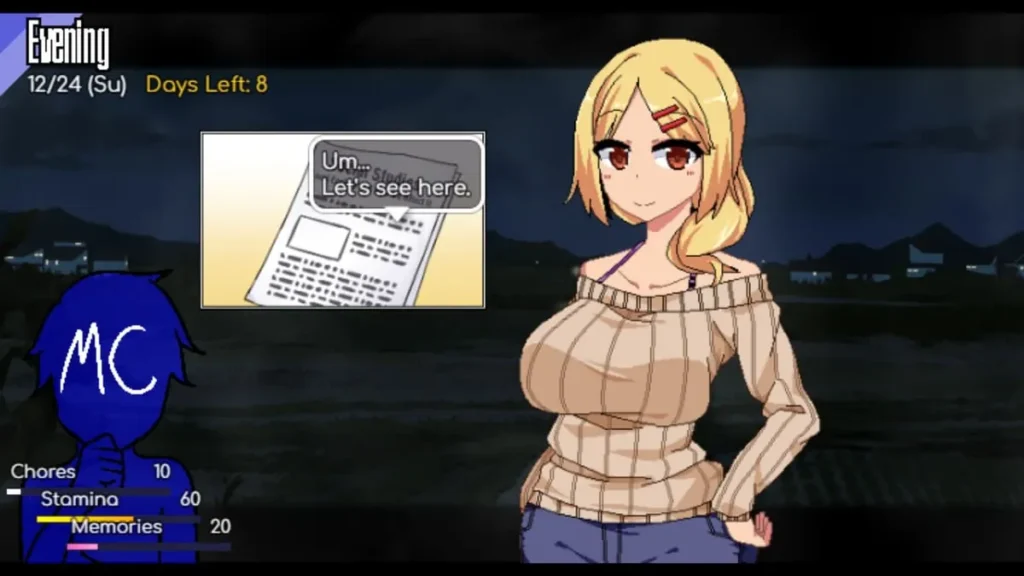
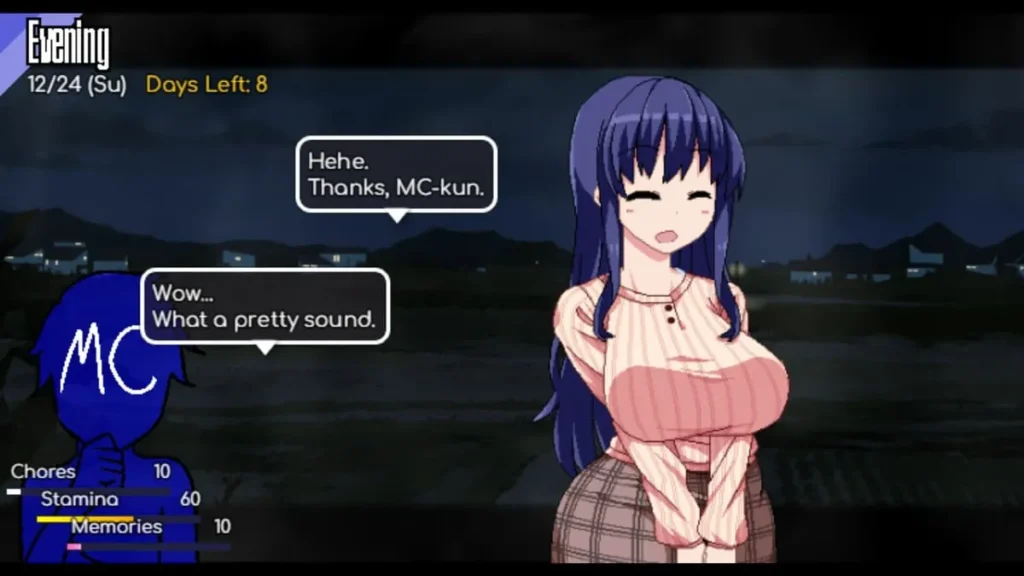
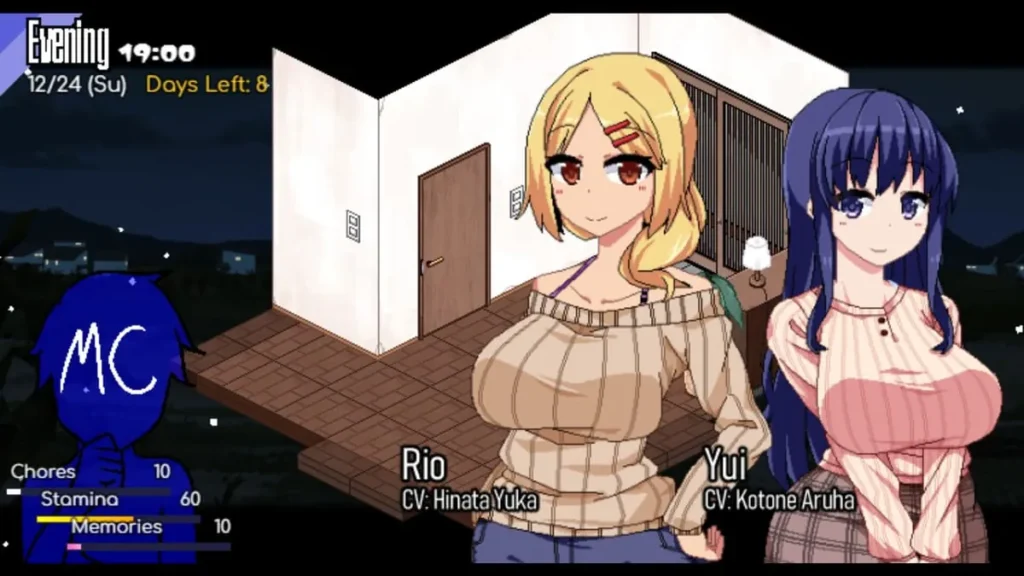
Winter Memories review
Explore the sequel’s narrative depth, character development, and seasonal storytelling
Winter Memories stands as a compelling sequel that transforms the gaming experience through its innovative use of seasonal storytelling. This visual novel sequel deepens character relationships established in Summer Memories while introducing fresh winter-specific events and narrative challenges. The game leverages saved data from its predecessor to create a personalized experience where your previous choices directly influence character interactions, dialogue options, and relationship dynamics. Whether you’re returning to reconnect with familiar characters or exploring new winter-themed scenarios, this guide covers everything you need to know about what makes this sequel a meaningful continuation of the original story.
Understanding Winter Memories: Story, Setting & Character Dynamics
Remember that save file from Summer Memories? The one where you spent hours deciding whether to share an umbrella with Yui or help Rio find her lost necklace? Dust it off. In the world of Winter Memories, that file isn’t just a collection of ones and zeros—it’s the foundation of your entire new adventure. This isn’t merely a follow-up; it’s a direct, living response to the summer you crafted. The game greets you not as a new player, but as someone returning to a familiar, yet transformed, world. ❄️
This deep connection to its predecessor is what makes the Winter Memories sequel such a profound experience in seasonal narrative storytelling. It asks a beautiful, challenging question: can the vibrant, sun-drenched bonds of summer withstand the quiet, introspective chill of winter? Let’s pull on our virtual coats and explore exactly how this visual novel masterfully continues the story.
How Winter Memories Builds on Summer Memories Legacy
Think of the best sequels in any medium. They don’t just replay the greatest hits; they examine the consequences. Winter Memories excels at this. The game’s opening moments are a masterclass in saved data personalization gaming. When you load your clear data from Summer Memories, the game doesn’t just give you a pat on the back. It reads your story.
Personal Anecdote: On my first playthrough, I had grown incredibly close to Yui. When I booted up Winter Memories, she met me at the station with a warm, knowing smile and a quiet, “I’ve been waiting for you to come back.” It felt like reuniting with an old friend. On a second save where I’d focused on Miyuki, Yui’s greeting was polite but distant—a simple, “Oh, you’re here. Welcome back.” The difference was breathtaking.
This is the core legacy. The game remembers who you laughed with, who you confided in, and—critically—who you may have inadvertently left behind. Characters you built a strong character relationships visual novel foundation with will greet you with familiarity, their dialogue options carrying a warmth and shorthand built from past shared moments. Conversely, those you didn’t connect with will maintain a respectful but noticeable emotional distance. This isn’t a reset button; it’s a continuation of emotional states.
The Winter Memories story continuation uses this data to personalize your starting point with each character. It acknowledges that relationships aren’t static. The boisterous summer camaraderie has settled, and now you’re navigating the more nuanced, sometimes awkward, reality of what comes after. Did those feelings survive the season change? The game is designed to help you find out, making your previous choices feel meaningful and weighty.
The Role of Seasonal Setting in Narrative Development
If summer was about external adventure and vibrant social energy, winter is about internal reflection and intimate connection. The setting here is a powerful narrative device, not just a pretty backdrop. The sleepy, snow-covered town forces a different pace. The festivals are fewer, the nights are longer, and the world seems to hush under a blanket of white.
This environment directly fuels the game’s themes. The cold creates moments of forced proximity (a breakdown during a snowstorm scenario is a classic example) and vulnerability. Where a summer date might be a lively beach trip, a winter outing is sharing hot cocoa while watching the snowfall, leading to quieter, more confessional conversations. The season naturally fosters introspection, pushing characters to reveal deeper layers of themselves they might have kept guarded in the sun’s glare.
The winter-themed visual novel events are perfectly crafted to test and deepen the bonds you formed. Let’s look at a few:
* Christmas Market: A twinkling, joyful event that contrasts with the quiet town. It’s a place for gift-giving (a deeply personal act) and sharing hopes for the future, often bringing unspoken feelings to the surface.
* New Year’s Shrine Visit: A traditional, solemn moment for reflection and new beginnings. Who you choose to go with, or who you happen to meet there, can set the tone for your entire relationship in the new year, symbolizing a shared hope or a silent understanding.
* The Snowstorm Scenario: This is where the season’s challenge peaks. Stranded together, cut off from the world, characters are pushed past small talk. Secrets are shared, fears are confronted, and summer bonds are either fortified or found to be too fragile for the harsh reality of winter.
This deliberate seasonal narrative storytelling asks if your relationships are built on the exciting spectacle of summer, or on a genuine connection that can find warmth even in the coldest silence.
Character Growth and Relationship Progression
This is where Winter Memories truly shines. The characters haven’t been frozen in time. They’ve lived, thought, and grown since you last saw them. The game’s Winter Memories character development is subtle, realistic, and deeply rewarding.
Take Yui. The energetic, sometimes clumsy girl from summer has matured. She’s still bright and kind, but there’s a new layer of thoughtful confidence. Her arc might explore balancing her own dreams with her care for others, showing how the summer’s experiences gave her the courage to look forward.
Rio, perhaps, has softened. The sharp edges of her summer persona might be tempered by reflection, or she might be wrestling with the vulnerability of truly missing someone (maybe you?) for the first time. Her relationship progression is less about breaking down walls and more about learning to comfortably live with the doors open.
And then there’s Miyuki. Her arc is a standout, powerfully exploring the classic tension between duty and personal desire. The responsibilities that loomed in summer may now be cresting, forcing difficult choices. Does she follow the expected path laid out for her, or does the memory of a meaningful summer give her the strength to chase what she truly wants? Her journey is a poignant core of the Winter Memories story continuation.
The following table illustrates this evolution for the central characters:
| Character | Summer Memories Focus | Winter Memories Challenges | Relationship Evolution |
|---|---|---|---|
| Yui | Building initial friendship, shared summer adventures, energetic bonding. | Navigating mature feelings, balancing personal growth with connection, finding depth in quiet moments. | Shifts from fun companionship to a more profound, supportive partnership built on mutual understanding. |
| Rio | Overcoming initial aloofness, uncovering hidden kindness, passionate summer clashes. | Managing vulnerability, expressing sustained care beyond the season’s heat, dealing with genuine longing. | Transitions from a fiery, unpredictable connection to a steadier, more trusting and committed bond. |
| Miyuki | Unveiling the person behind the responsibility, stolen moments of freedom. | The climax of duty vs. desire, making definitive life choices, seeking courage to claim personal happiness. | Evolves from a secret summer spark to a high-stakes narrative about choosing a future, potentially together. |
Example of Saved Data Impact: Let’s get specific. Say you consistently chose to walk Rio home in Summer Memories and shared a key moment during the fireworks festival. In Winter Memories, when you first meet her, she might cross her arms, look away with a slight blush, and say, “Took you long enough. I was starting to think you’d hibernated.” The dialogue option to tease her back will be available, continuing your established dynamic. If you neglected her, her greeting would be a simple, curt nod: “You’re here. The town’s quieter in winter.” The path to rebuilding that connection is longer and starts from a colder place.
Ultimately, the Winter Memories sequel is a triumph of emotional continuity. It understands that the most compelling stories aren’t about how relationships begin, but how they endure, change, and deepen. By leveraging your past choices and leveraging the unique narrative pressure of the winter setting, it creates a character relationships visual novel experience that feels uniquely yours. It’s not just about revisiting old friends; it’s about discovering who they—and you—have become in the frosty space between seasons. So, find that old save file, and see if your summer memories are warm enough to last through the winter. ✨
Winter Memories successfully evolves the visual novel experience by respecting the original while establishing its own emotional identity. The game’s clever integration of seasonal elements transforms the winter setting from mere backdrop into a narrative device that deepens introspection and character vulnerability. Through personalized storytelling powered by saved data, meaningful character progression, and thoughtfully designed winter-specific events, the sequel creates a genuine continuation that respects player investment from Summer Memories. The game asks profound questions about relationship resilience and personal growth, proving that compelling storytelling transcends seasonal boundaries. For players seeking narrative depth and character-driven experiences, Winter Memories delivers a sequel that honors its predecessor while confidently carving its own path.