Tales from the Unending Void
Play Tales from the Unending Void
Tales from the Unending Void Screenshots



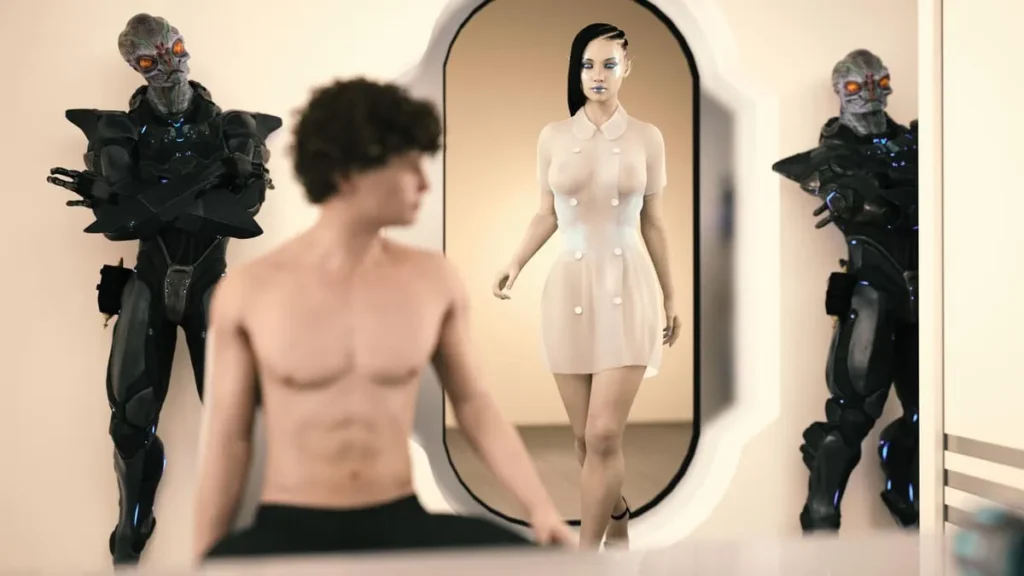
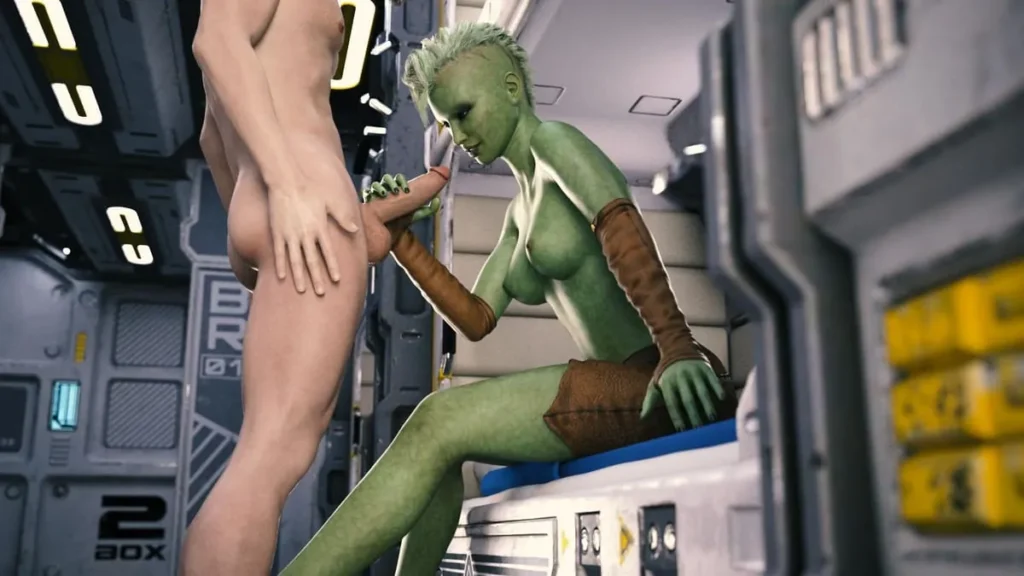
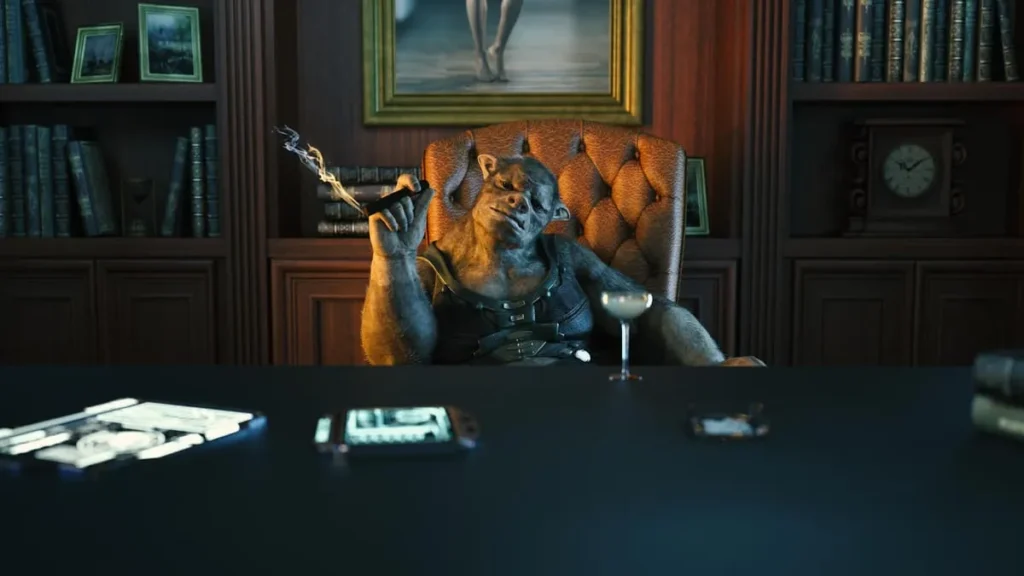
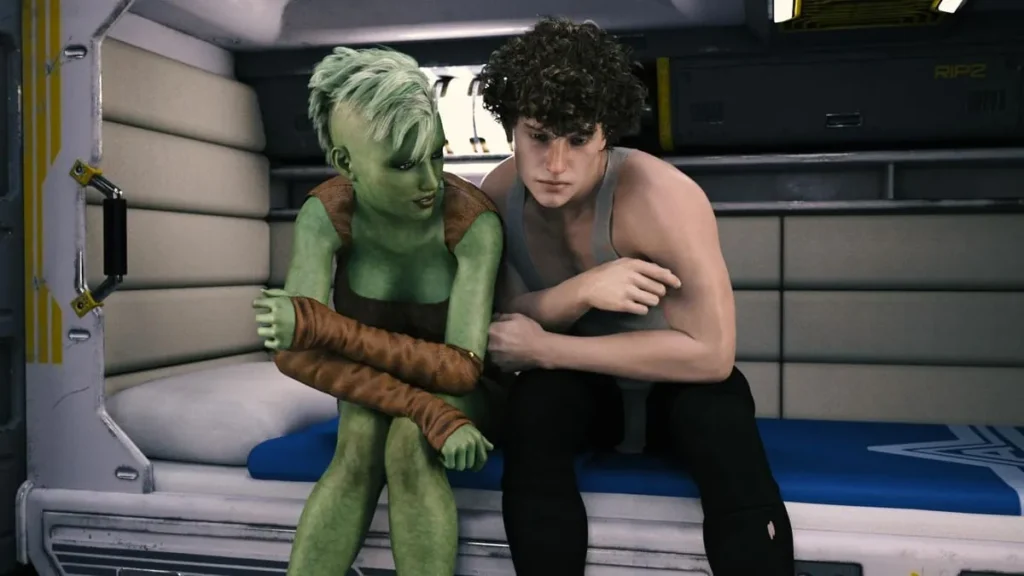







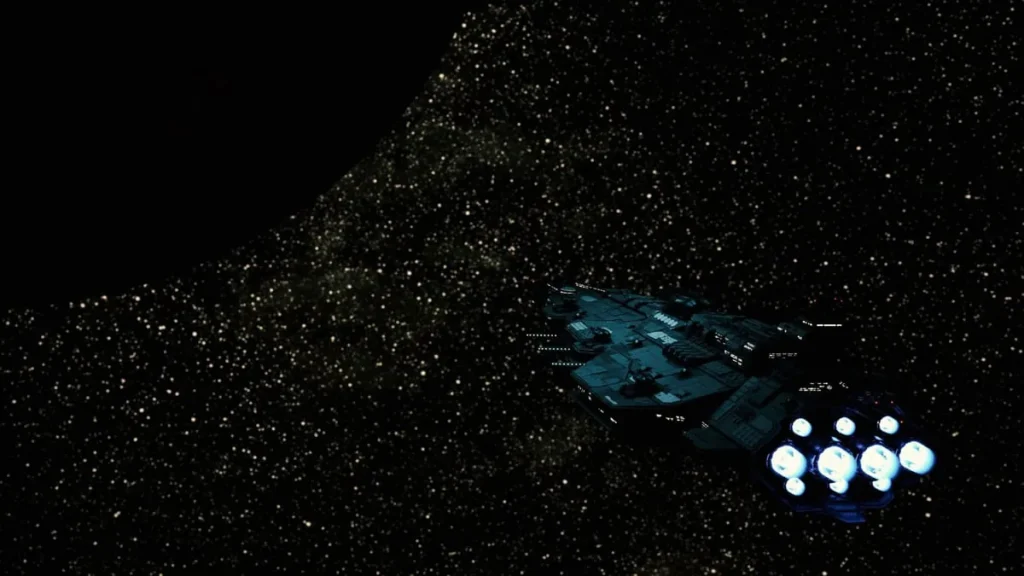

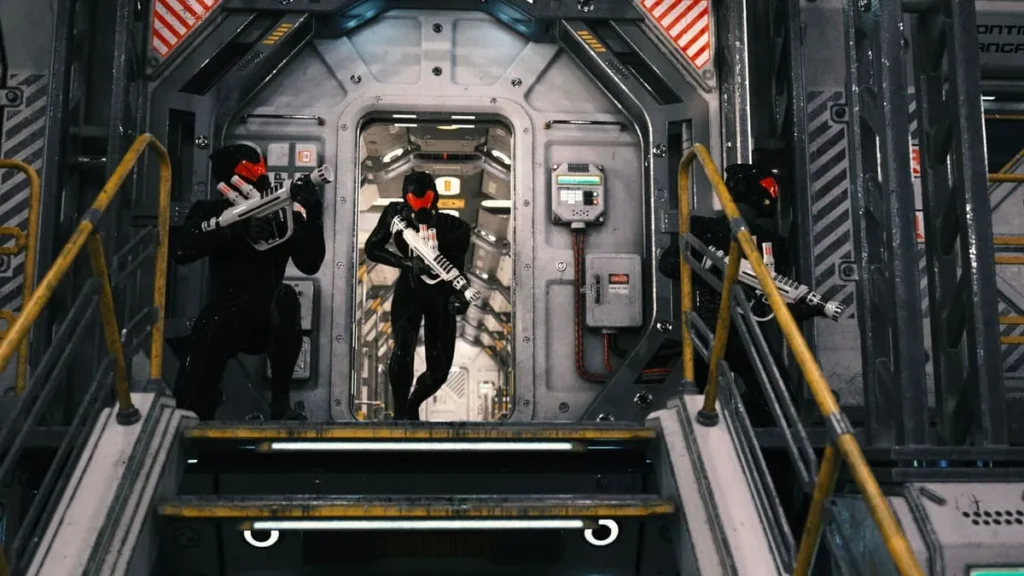
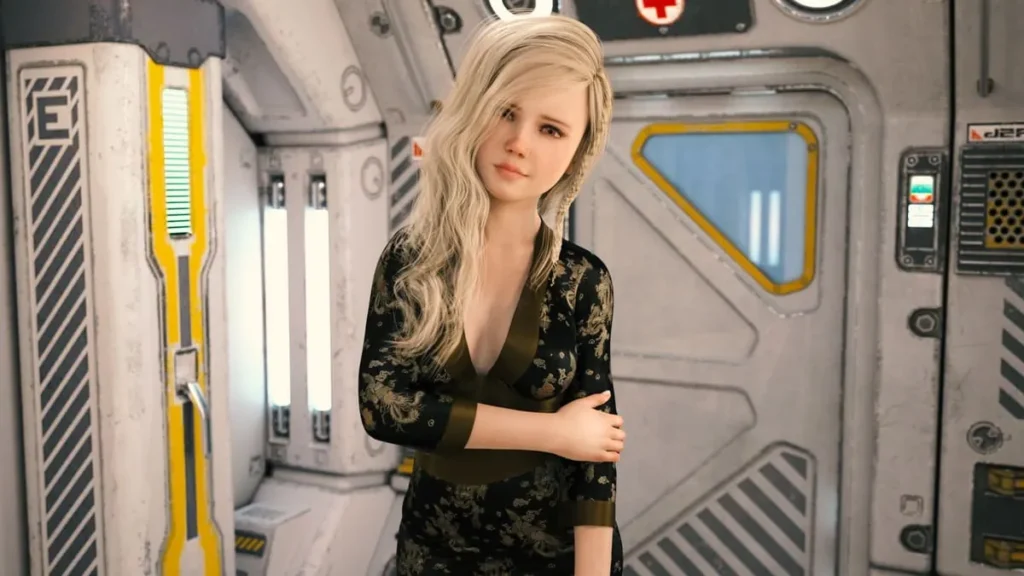

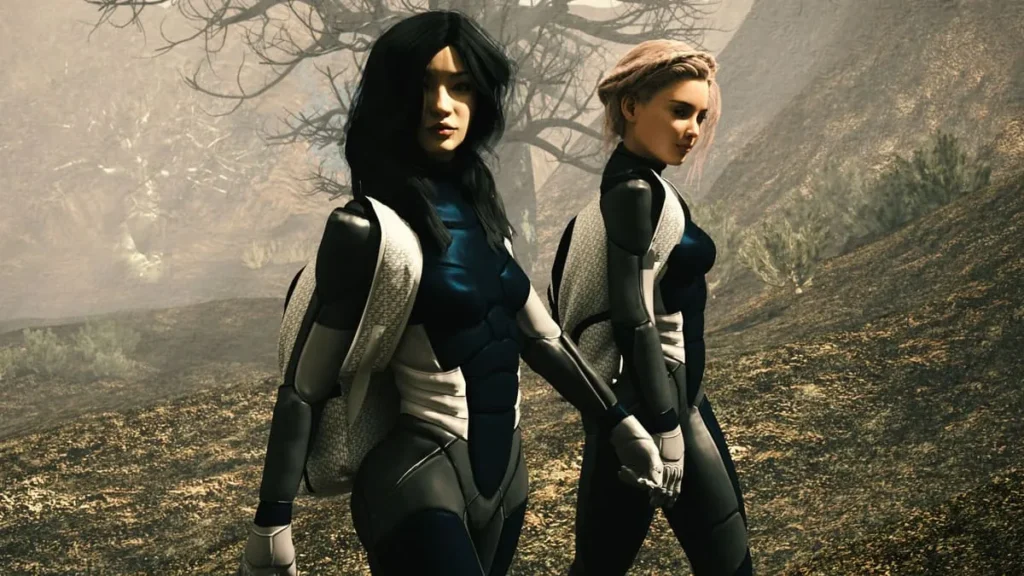
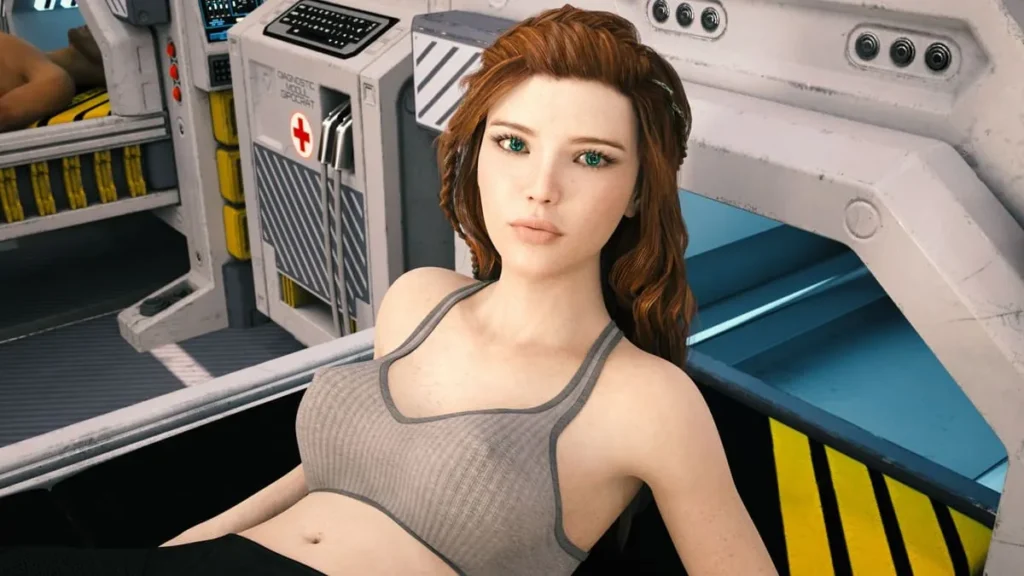
Tales from the Unending Void review
Explore gameplay mechanics, character relationships, and story progression in this narrative-driven experience
Tales from the Unending Void stands out as a narrative-driven interactive experience that combines branching storytelling with character-focused gameplay. This space-based adventure features over 5000 renders and 250+ animations that enhance the immersive experience across multiple episodes. Whether you’re interested in understanding the game’s mechanics, exploring character relationships, or learning about story progression, this guide covers everything you need to know about this unique title. The game emphasizes player choice and relationship building with crew members, making each playthrough potentially different based on your decisions.
Understanding Tales from the Unending Void: Gameplay Mechanics and Features
Let’s be honest—when you first hear about a game that’s “all story,” a little voice in your head might whisper, “So… I just click a lot?” I had the same thought. But after diving into Tales from the Unending Void, I realized I wasn’t just clicking. I was living in its universe, making gut-wrenching calls that shaped my crew’s fate, and genuinely caring about the consequences. This isn’t a passive experience; it’s an active, deeply personal journey. 🚀
At its heart, Tales from the Unending Void gameplay is about agency within a beautifully crafted narrative. You are the captain, and every decision, from a casual remark to a major moral choice, sends ripples through your story. If you love getting lost in rich sci-fi worlds where your personality dictates the plot, you’re in the right place. This guide will break down exactly how this captivating choice-driven narrative game works, from its core mechanics to the stunning art that brings it all to life.
Core Gameplay Mechanics and How Choices Impact Your Experience
Forget complex control schemes or punishing difficulty curves. The primary “gameplay” here is engagement—with the story and its characters. You’ll spend your time reading beautifully written scenes and, most crucially, making interactive dialogue choices. Think of it as directing your own high-stakes sci-fi TV series where you have final say on every line of script.
The core loop is simple but incredibly potent:
1. Absorb the Story: You’re presented with a scene—a conversation on the bridge, a tense standoff on a foreign planet, or a quiet moment in the ship’s corridors.
2. Make Your Choice: At key junctures, dialogue options appear. These aren’t just “Good/Negative/Sarcastic.” They reflect nuanced attitudes and intentions.
3. Watch the World React: Your choice immediately influences the character you’re speaking with, alters their opinion of you, and can unlock or permanently close off branching story paths.
The magic is in the system’s transparency and depth. Early on, you select one of two core personality approaches for your Captain: Understanding/Compassionate or Harsh/Demanding. This isn’t a cosmetic label; it’s the foundation of your character relationship system. Choosing the “compassionate” path, for instance, opened up vulnerable conversations with my engineer that were completely shut down when I re-played as a “harsh” captain. The game remembers your consistent behavior, and the crew reacts to who you are, not just isolated decisions.
To give you a clear picture, here are the key technical and gameplay features that power this experience:
- Massive Visual Library: Over 5000 high-quality renders and 250+ animations create a fluid, cinematic feel.
- Structured Narrative: The story is released in a serialized format. Season 1 is a complete 12-episode arc, while Season 2 is in ongoing development, keeping the story fresh.
- Meaningful Choice Architecture: Every major interactive dialogue choice is tracked. Relationships have visible metrics (often hidden in the background), and key plot decisions are flagged, so you know when you’ve hit a major fork in the road.
- Personality-Driven Outcomes: Your chosen captain archetype (compassionate vs. harsh) filters available choices and directly shapes how crew members perceive and interact with you.
The balance between narrative and interaction is a frequent point in player discussions. Some updates feel heavily weighted toward deepening a single relationship, while others push the galactic conspiracy plot forward at a breakneck pace. My advice? Embrace the pacing. Let the “slower” episodes build those crucial bonds—you’ll need that trust when the action hits. This ebb and flow is part of what makes the Tales from the Unending Void gameplay feel organic and real, not just a series of plotted checkpoints.
Visual Design and Character Development in the Game
A great story can be let down by poor presentation, but that is emphatically not the case here. The visual novel mechanics of Tales from the Unending Void are elevated by truly exceptional art. This isn’t about static, repetitive character sprites against plain backgrounds. We’re talking about a fully realized, visually cohesive universe.
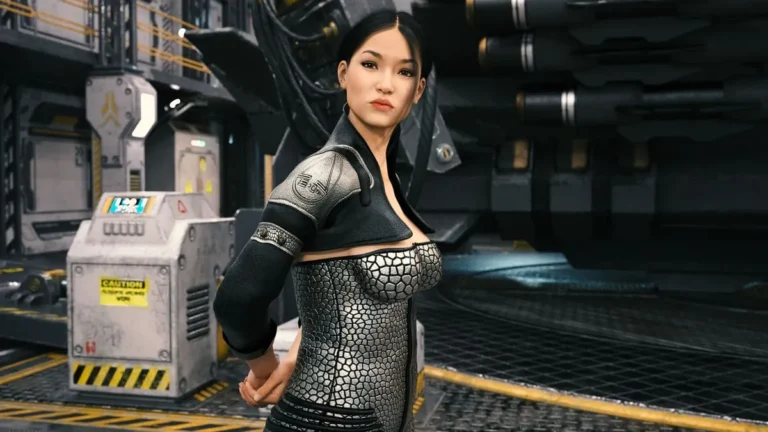
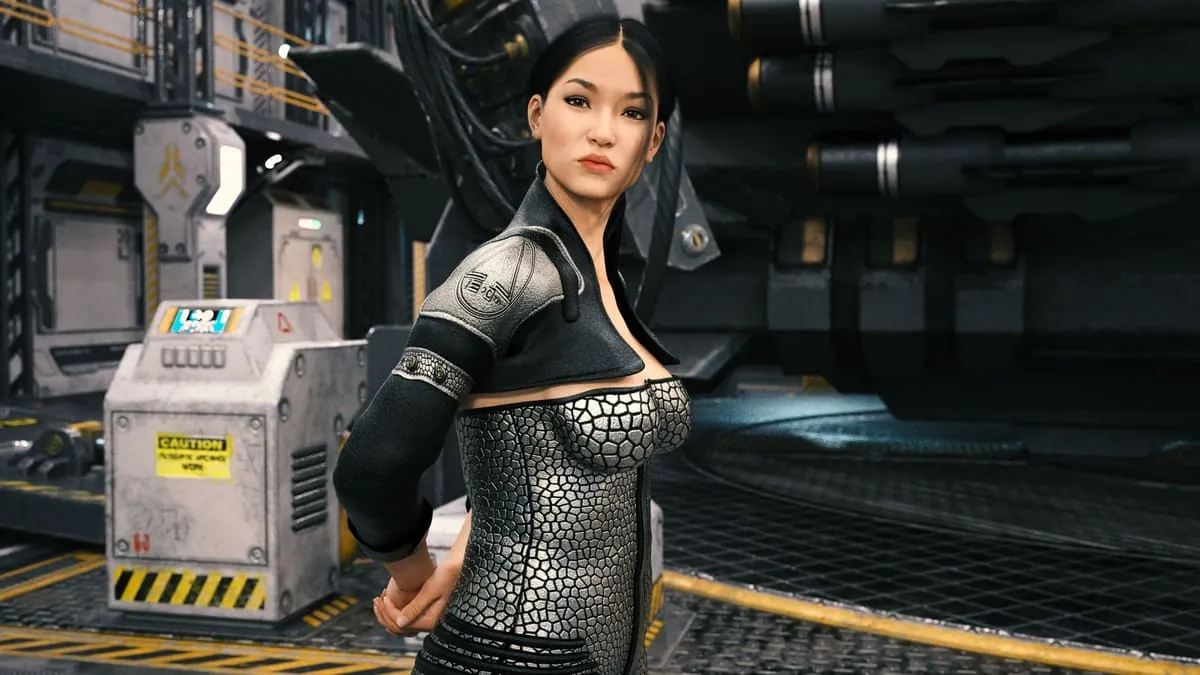
The game employs a realistic 3D rendered art style that is simply stunning. Every location, from the sleek interiors of your starship to the eerie landscapes of alien worlds, is packed with detail. The lighting in particular deserves a shout-out—it creates mood, highlights tension, and makes every scene feel like a captured moment in time. When a character reveals a secret, the shift in their expression, caught in a dim light, carries so much more weight than any line of text alone could.
But the true stars are, without question, the characters. The design philosophy shuns exaggerated, cartoonish proportions in favor of believable, diverse, and strikingly human (or alien!) designs. Each character’s look tells you something about them before they even speak: the pragmatic engineer with grease-smudged overalls, the elegant but guarded diplomat, the battle-scarred security chief. Their personalities are etched into their features and posture.
This visual excellence directly feeds the character relationship system. Because the characters look and move so convincingly, you become more invested in their fates. A subtle smile from a usually stoic crewmember feels like a hard-won victory. A flicker of disappointment in their eyes after a poor choice stings. The 250+ animations bring these interactions to life, making conversations dynamic. It’s the difference between being told a character is laughing and seeing them throw their head back with genuine, animated joy. 😊 → 😢
My personal case study? The character of Aris, the ship’s scientist. Initially, she came off as cold and hyper-logical. Through a series of interactive dialogue choices where I chose to be patient and intellectually curious rather than dismissive, her visual presentation changed. She began to make more eye contact in scenes, her subtle animations showed less defensive body language, and eventually, she shared personal backstory that recontextualized her entire demeanor. The game didn’t just tell me our relationship improved; I could see it evolve in every rendered scene.
Episode Structure and Content Progression Through Seasons
One of the most unique and engaging aspects of Tales from the Unending Void is how it’s delivered. Instead of one monolithic release, the game unfolds like your favorite streaming series, in episodic chapters. This format is perfect for a choice-driven narrative game, allowing for focused storytelling and giving players time to digest major decisions between updates.
Season 1 is your complete foundational saga. Comprising 12 full episodes, it introduces you to the universe, your crew, and the central mysteries. Think of it as the first novel in a series. By the end, you’ll have faced universe-altering choices and formed deep, potentially romantic bonds that feel earned. It’s a satisfying, self-contained journey that also sets the stage for what’s to come.
Season 2 is where the ongoing adventure lives. As of this writing, development is actively continuing, with new chapters expanding the narrative. For example, Chapter 21 was released on February 2nd, showing a consistent update rhythm. This seasonal model means the story can grow more complex, relationships can deepen (or shatter) in new ways, and the consequences of your Season 1 choices can truly blossom. It creates a living, breathing world that evolves alongside its community.
To visualize the differences and scope between the two seasons, here’s a breakdown:
| Feature | Season 1 | Season 2 (Ongoing) |
|---|---|---|
| Status | Complete | In Active Development |
| Episode Count | 12 Full Episodes | Continuing beyond Chapter 21 |
| Narrative Focus | Foundation, Crew Introduction, Central Mystery | Expanded Lore, Deepened Consequences, New Arcs |
| Player Choice Impact | Establishes core relationships and major plot forks | Pays off long-term choices, introduces new branching paths |
Progression through these Tales from the Unending Void episodes feels organic. Each episode typically focuses on advancing the main plot while dedicating significant time to one or two key character arcs. This doesn’t mean you ignore the rest of the crew—interactive dialogue choices with everyone are still present—but it allows for meaningful, uninterrupted development. You might have an episode centered on a diplomatic mission with your communications officer, deepening that specific relationship, while the next episode deals with a ship-wide crisis that tests your command decisions for everyone.
The management of these branching story paths across a serialized format is impressive. The game does a fantastic job of reminding you of past major decisions without heavy-handed exposition. A character might reference a choice you made three episodes prior in a casual, natural way, reinforcing that your actions have lasting memory. This is what elevates it from a simple visual novel to a truly personalized epic. Your playthrough of Tales from the Unending Void gameplay is genuinely your own.
So, is Tales from the Unending Void for you? If you crave a deep, narrative-driven experience where your voice shapes the story, where building trust feels like an achievement, and where you can get lost in a visually stunning sci-fi world, then the answer is a resounding yes. It masterfully blends compelling visual novel mechanics with a sophisticated character relationship system and meaningful branching story paths. It proves that in a choice-driven narrative game, the most powerful tool isn’t a weapon—it’s your words, your decisions, and the bonds you choose to forge in the vast, unending void. 🌌
Tales from the Unending Void offers a unique blend of narrative-driven gameplay and character-focused storytelling that appeals to players seeking meaningful choices and relationship development. The game’s strength lies in its visual presentation, character depth, and branching narrative structure that rewards exploration and different playstyles. While some players note that progression can feel slow and that certain design choices could be refined, the overall experience provides substantial content across multiple seasons. The game continues to evolve with regular updates, though development pace varies. For players interested in story-rich experiences with emphasis on character interaction and dialogue-based decision making, Tales from the Unending Void delivers an engaging experience that extends beyond typical genre conventions.